DDP Talks To
"The Devil Ties My Tongue" by Amy Seiwert performed for the SKETCH Series, 2013. Photo by David DeSilva. Courtesy of Amy Seiwert's Imagery
October 30th: Kennesaw State University Choreographic Residency, November 1st: Howard Fellowship, November 5th: CHOP SHOP: Bodies of Work, November 23rd: Camille A. Brown and Dancers Mentorship Program, December 1st: Culture Forward Grant - The Svane Family Foundation Deadline 3, December 1st: Harkness Foundation for Dance Program/Project Grant, December 2nd: NYS Choreographers Initiative (NYSCI), December 31st: National Dance Project Presentation Grants - New England Foundation for the Arts, December 31st: National Dance Project Travel Fund, December 31st: New England Presenter Travel Fund, December 31st: Kit Modus In-person Choreographic Residency, December 31st: Gross Family Prize: Charles and Joan Gross Family Foundation, December 31st: Foundation for Contemporary Arts Emergency Grants, December 31st: Fertile Ground 2026-2027 Season
×
"The Devil Ties My Tongue" by Amy Seiwert performed for the SKETCH Series, 2013. Photo by David DeSilva. Courtesy of Amy Seiwert's Imagery
Announcements about the Dance Data Project™ including new research, upcoming initiatives, additions to the team, and other exciting news.
Dance Data Project® today announced the release of two tools that provide ballet and dance schools, as well as students, parents, and instructors with specific measures to help students and professional dancers to recognize and prevent sexual harassed or physical abuse: the first is a checklist of safety measures; the second is a one-stop resource detailing the reporting around and work being done in the US and globally to address sexual abuse and harassment in the dance and allied performance fields, sports and youth-oriented not for profits. In addition, DDP released a “DDP Talks To”… interview with Emma Lister and Zoë Ashe-Brown, who, alongside Lister’s Makeshift Company and MOVERS SHAKERS MAKERS podcast, conducted a wide ranging survey in September 2020 on mental health in ballet.
Dance Data Project® (DDP) today announces the release of Global Conversations: From the Ground Up, the fourth round in a series of virtual interviews. Round 4 re-imagines a more sustainable and equitable system for teaching, marketing, and branding ballet and features 10 conversations with a roster of majority women leaders of national dance and presenting service organizations, as well as artistic and executive directors, dancers, and choreographers.
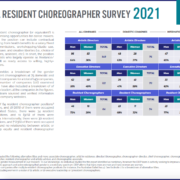
Dance Data Project® (DDP) today announces the Data Byte: Global Resident Choreographer Survey 2021, a mini-report focusing on the gender distribution of 64 resident choreographer (RC) positions at 75 United States and 68 international ballet companies for a total of 143 companies.
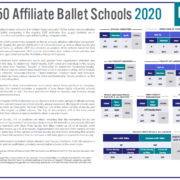
Dance Data Project® (DDP) today announces the Data Byte: Top 50 Affiliate Ballet Schools 2020, a mini-report focusing on the gender distribution in leadership among the ballet schools connected to the Top 50 U.S. ballet companies. The mini-report looks at the 45 out of 46 schools affiliated with the Top 50 companies who made faculty information publicly available on their websites.
Dance Data Project® (DDP) today announces the 2020 Dance Festival Gender Equity Report, a report that examines the gender distribution of programming and leadership among 2020 festivals and includes a comparative analysis of 2019 and 2020 findings.
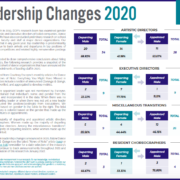
Dance Data Project® (DDP) today announces Data Bytes, the latest category of research that illuminates trends in the ballet industry through a new format of quick and easy-to-read metrics. The first release in this new category, 2020 Leadership Changes – Our End of the Year Mini Report on Comings and Goings in the Industry, sorts by gender the leadership transitions throughout major ballet companies and allied organizations such as festivals.
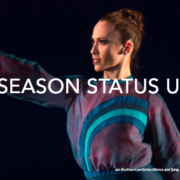
Dance Data Project® (DDP) today announced the addition of two new categories of data to DDP’s 2020-2021 Season Status Updates resource: 2020 Festivals (U.S. and international) and Venues. This online resource lists the most recent available information concerning domestic and international programming changes due to the COVID-19 pandemic.

Dance Data Project® (DDP) today announces the social media campaign, Connecting the Dots – #YesThisIsAnArtsStory, designed to draw attention to the catastrophic effect of the COVID-19 pandemic on women in dance and the performing arts in general. The campaign will begin on Monday, Nov. 23 and run for three weeks, ending on Friday, Dec. 11.
Dance Data Project® (DDP) today announced the release of Global Conversations: The View From 30,000 Feet, the third round in a series of virtual interviews. Round 3 examines the state of ballet not only as an art form but also as a multi-million-dollar industry in the United States and a field of endeavor that must quickly adapt to the challenges of a pandemic or cease to exist in the post-COVID world.