DDP Talks To
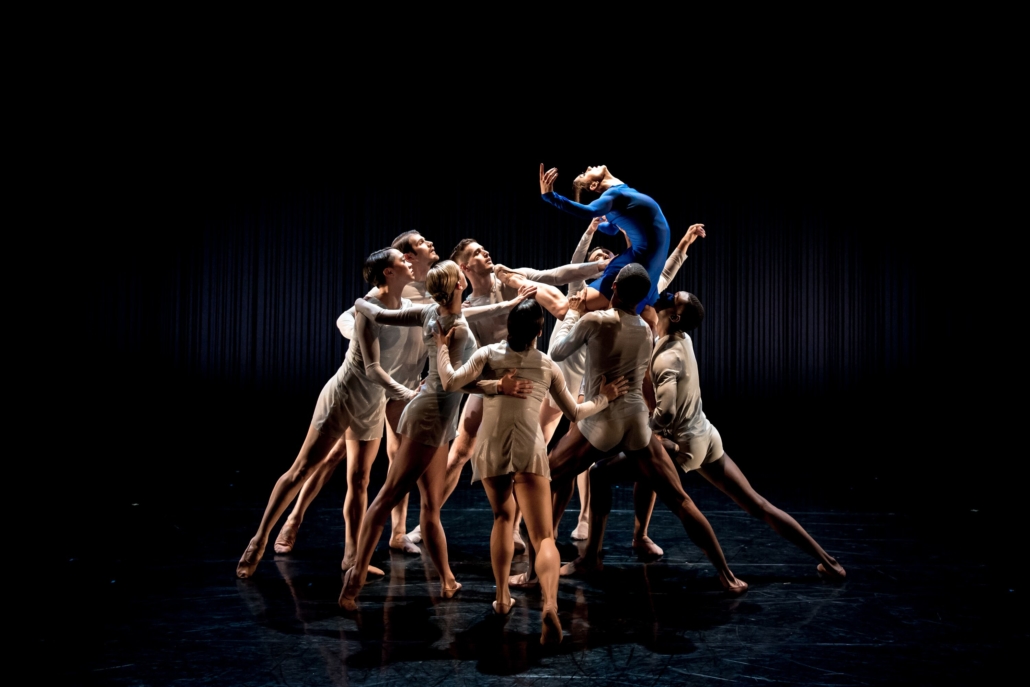
"The Devil Ties My Tongue" by Amy Seiwert performed for the SKETCH Series, 2013. Photo by David DeSilva. Courtesy of Amy Seiwert's Imagery
October 14th: Shubert Foundation Dance Grant, October 14th: Dance on Camera: Emerging Artist Program, October 15th: Summer 2027 International Residency Exchange, October 16th: Tapestries Choreographic Program, October 20th: 2026 Dance Film Commission, October 20th: SPLIT BILL Series, October 22nd: Perform Europe Open Call, October 30th: Kennesaw State University Choreographic Residency, November 1st: Howard Fellowship, November 5th: CHOP SHOP: Bodies of Work, December 1st: Culture Forward Grant - The Svane Family Foundation Deadline 3, December 1st: Harkness Foundation for Dance Program/Project Grant, December 2nd: NYS Choreographers Initiative (NYSCI), December 31st: National Dance Project Presentation Grants - New England Foundation for the Arts, December 31st: National Dance Project Travel Fund, December 31st: New England Presenter Travel Fund, December 31st: Kit Modus In-person Choreographic Residency
×

"The Devil Ties My Tongue" by Amy Seiwert performed for the SKETCH Series, 2013. Photo by David DeSilva. Courtesy of Amy Seiwert's Imagery
DDP interviews with new & emerging talents as well as current leaders in the dance world: choreographers, artistic directors, journalists, dancers, set/lighting/costume designers, patrons, festival/venue programmers, etc.
DDP Talks To…London-based freelance choreographer and filmmaker Morgann Runacre-Temple in our first interview of 2021.
DDP Talks To… the English National Ballet’s Associate Choreographer and First Artist Stina Quagebeur. Stina is one of the leading emerging choreographers in the field of ballet, and we are so thrilled to share this hugely accomplished woman’s voice in our interview series!
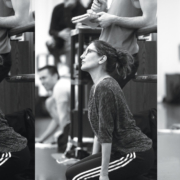
Stephanie Martinez is an award-winning Chicago dance artist with over 30 years professional performing experience. Her 2009 choreographic debut, AviMar, for Luna Negra Dance Theatre’s 10th anniversary season, instantly secured her status as a sought-after dancemaker. Among significant work at Universities, Martinez has created works for Thodos Dance Chicago, Same Planet/Different World, Ron De Jesus Dance, Elements Contemporary Ballet, Chicago Dance Crash, and Visceral Dance Chicago. In 2010, she assisted Broadway legend Ann Reinking in setting the Fosse Trilogy on Thodos Dance Chicago, as well as Daniel Ezralow, choreographer of Broadway’s Spiderman: Turn off the Dark, in remounting his celebrated work, Pulse, for Company C Contemporary Ballet in San Francisco. Martinez received a Winning Works: Choreographers of Color award in 2014 from Joffrey Ballet.
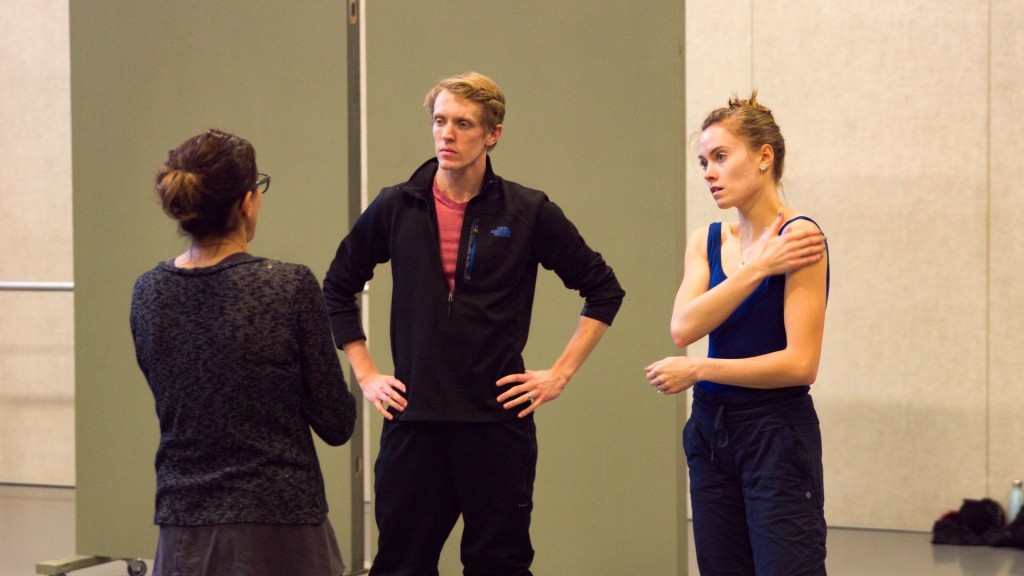
More recently, in early 2019, Martinez created Unsex Me Here for Charlotte Ballet’s Innovative Works program. Through this piece, she explores gender roles, fluidity, and codes in the context of behavioral expectations for men and women. Centered around the stories of female figures in Shakespearean literature, Unsex Me Here was well-received in Charlotte and, given support by the right artistic director or company, has the potential to be expanded into a longer work for the main stage.. (Full-length works choreographed by women made up only 8% of works programmed by leading US companies last season; companies are forfeiting younger audience engagement by not programming more pieces reflective of who is occupying the seats.)
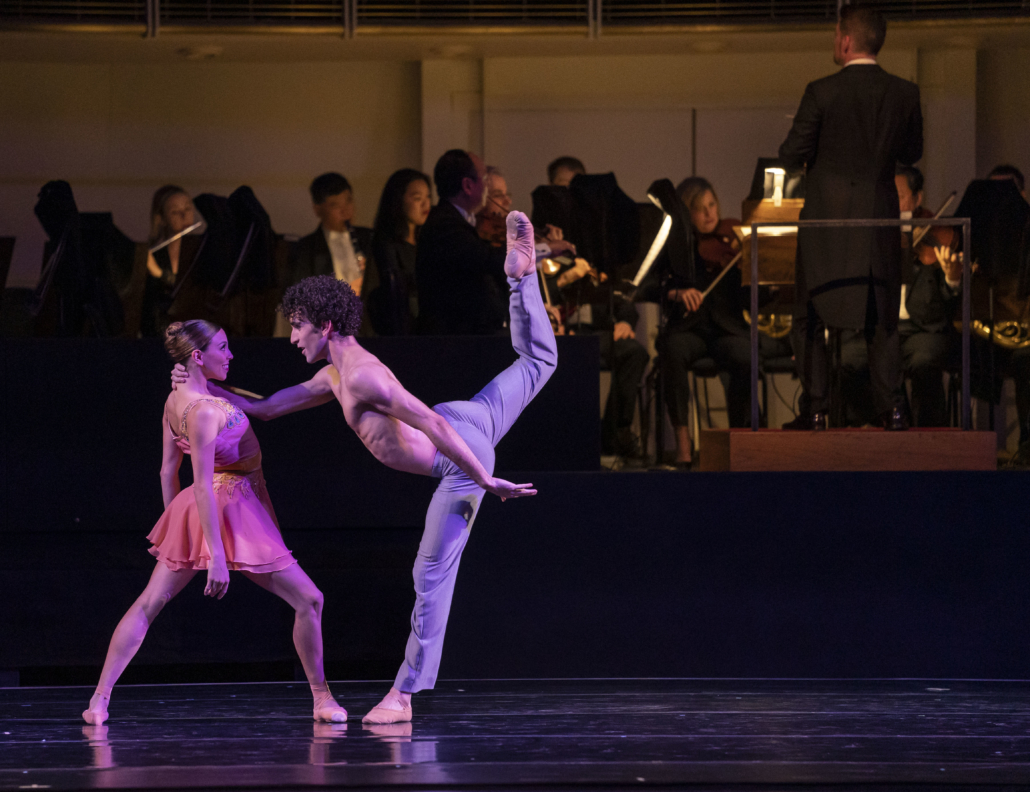
Among other projects, Martinez has another major milestone coming up at Joffrey Ballet – the main stage premiere of her work Bliss!, which was showcased during the company’s collaboration with the Chicago Symphony Orchestra in spring 2019. Bliss! was underwritten by DDP Founder and President Liza Yntema, who has been an enthusiastic supporter and friend of Martinez’s for years.
DDP recently sat down with Martinez in New York City to discuss her work with Flight Path Dance Project, which will premiere in April, her thoughts on women choreographers in dance, and how Martinez herself got her start in choreography.
Dance Data Project® (DDP): Tell us about your work with Flight Path Dance Project.
Stephanie Martinez (SM): I have known Michael McGowan for thirty years; we danced together in Chicago. The mission of Flight Path is really rooted in bringing female and other underrepresented choreographers in for these young artists. That is one of their goals, and they’ve even structured their Board with this in mind – eleven of their fifteen board members are women, and women occupy all four leadership positions within the board. This is very, very rare.
My work that I’m doing with the girls is to Chilean poetry. The poet is Gabriela Mistral; she used to write poems for young girls with a very grown-up message in them. Back then, women really weren’t allowed to voice their opinion, especially in Chile. So, it was under the guise of these children’s poems, specifically rooted for young girls [that she would express her opinion].
In this particular poem, Destino Roto (Broken Destiny), Mistral is asking her readers, “please don’t emulate a princess. Please don’t have that be your goal just because society thinks you should be this very precious thing.” [It tells you to] really strive to be independent and respected, strive to have dignity and substance in who you are. I thought it was really fitting for these young girls [at Flight Path] to experience that message at this age.
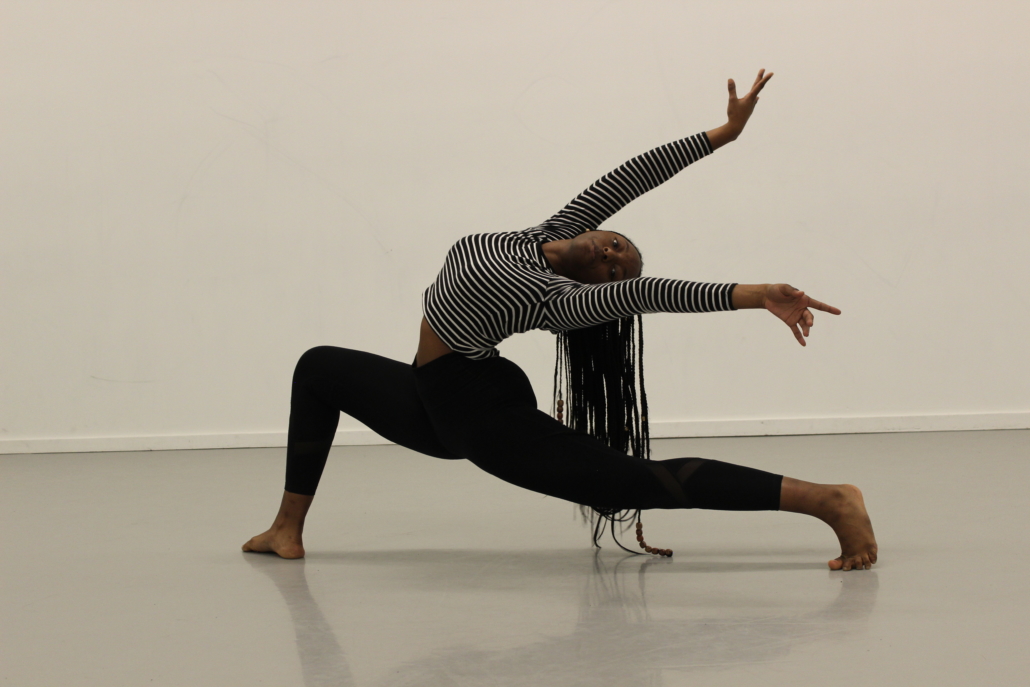
DDP: This is a program that helps dancers prepare for a professional career – dancers who may not otherwise have the means to prepare for professional life. What do you think is the significance of these young dancers interacting with a choreographer like yourself, someone who is like them and female?
SM: I think it is no secret that there is a power imbalance in the dance world. It feels like a boy’s club. I think the dance world is actively trying to enact change, as are other artistic fields, but there needs to be more female leadership in general.
When young women see another female in front of the room, a female in charge, they‘re able to see themselves in the future. I think it’s important that women work with young girls. You know, I always worked with men. I never even knew it was a possibility that I could actually be a choreographer. So, I think this [female presence] is the root, it is the seed. And it all starts with having conversations.
I don’t think gender should be an impediment. So, we are starting the conversation – Dance Data Project is shining a big light on it.
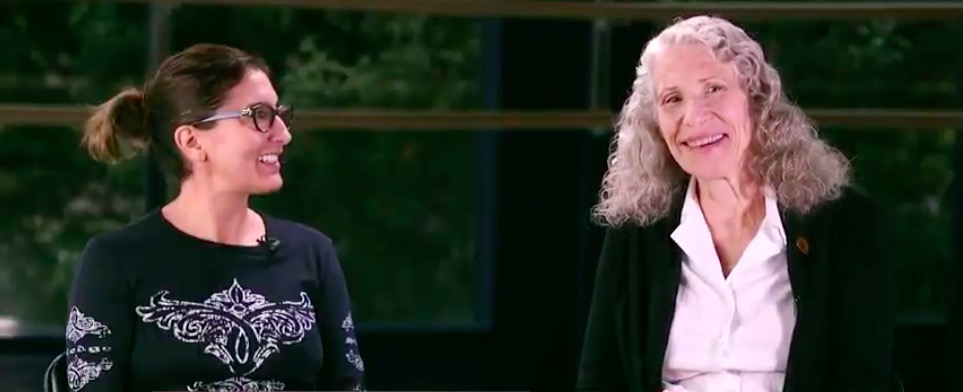
DDP: What made your experience developing this piece different from similar processes in the past?
SM: I haven’t worked with young dancers in a really long time. I have my process, you know, I give them source material or phrases and the expectation is that they take ownership of the material. But when they’re young, you’re teaching them the “how to” – how to rehearse, how to work, how to dig deeper into something and not just learn it and then go and sit down.
It is a full spectrum of things I don’t normally do. I really break things down and demonstrate – there’s this educational component that I really enjoy and don’t get to practice with professionals. I meet the girls where they are at. It’s a wonderful thing that is also part of the challenge.
DDP: A lot of young girls are not familiar with this idea of workshopping or learning a style and knowing a choreographer.
SM: There’s also a bit of discovery that comes with it. I think it’s a challenge for everyone, from young dancers to professionals. You’re going in and have to be sensitive and aware about where they are. One size definitely doesn’t fit all. You have to see who’s in front of you and then work with the bodies that you have in front of you at this time.
Kids have good days and bad days just like adults. I am really not someone who believes there’s only one way to do it. I am a choreographer for anyone and everyone. I value their [the dancers’] input. I want to know who they are and what makes them tick. You get the best out of somebody when you get a verbal and physical conversation started. That lets you see the people you’re working with in different ways.
DDP: So what is the typical process by which you create a work, is it more of this exchange and on-the-spot collaboration with the performers or is there more of a structure, music, plan ahead of time?
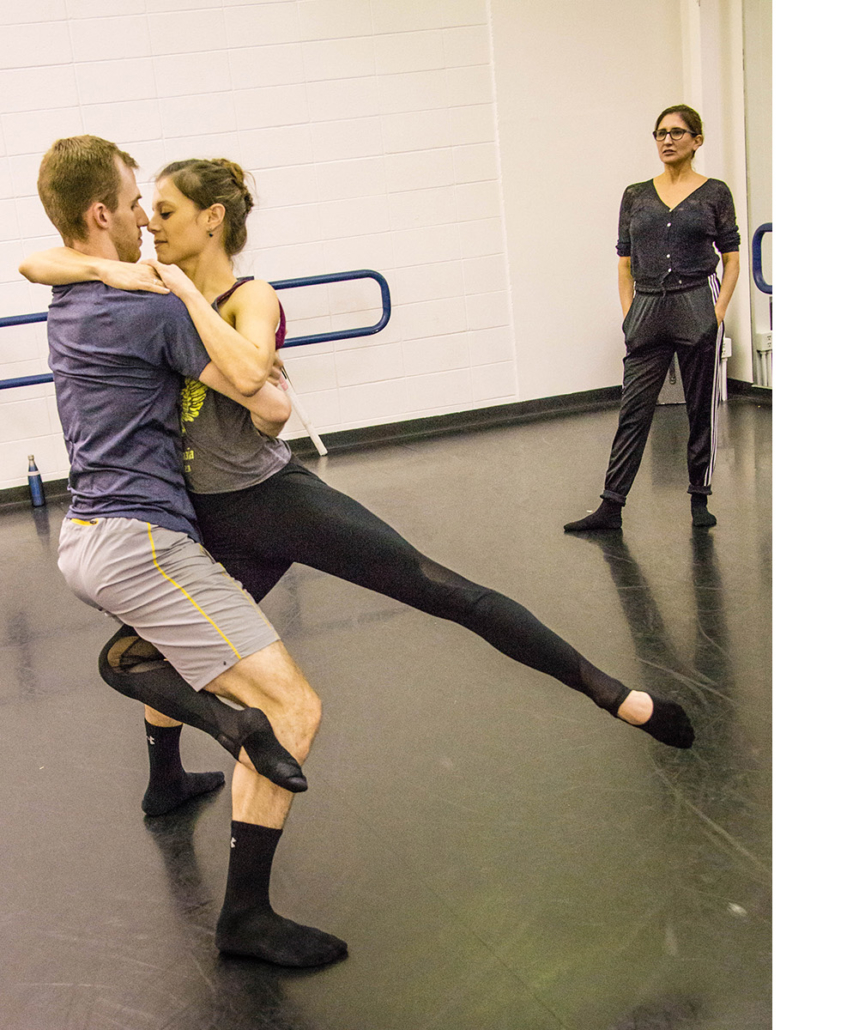
SM: I am definitely a planner. I have a certain look, a certain aesthetic that I want, and I make that very clear at the beginning. But I also leave room for collaborative moments. Sometimes I have them write, sometimes I give them images, sometimes I just present an idea, and then we start to build together.
It’s important to me that dancers be part of the process. I think good choreography should be a dialogue. It is always a goal of mine to get to know the bodies in the room and treat them each as individuals – after all, they are human beings giving you their artistry. We’re not just making shapes. We are seeing the human spirit move across the stage.
DDP: This connects to the idea of multidimensionality we’ve heard you mention before. Can you explain that idea a bit more?
SM: It’s about so much more than the steps. I’ve always been interested in how the body expresses emotions and ideas through movement. If it is done well, it can be very powerful, and when you can channel that power, the audience connects.
People want to see themselves onstage – and this goes beyond representation of gender and identity. Dance is also nonverbal. You don’t have to know why you feel connected to a particular dancer or piece, but when you do, it’s likely because there is clear intention behind the work and that’s what’s resonating.
DDP: You were a dancer -does your history as a dancer inform the way in which you work now?
SM: You do what you know, you do what you’ve learned and experienced. My history has helped me discover my choreographic voice.
I am always humbled to get to fill an empty space and create my own identity within that space; however, I’m going to be honest, nothing can be more paralyzing at times than confronting that blank canvas. I do like to give myself and the dancers a specific task in the room so we can start filling that empty space together.
Now, I really gravitate towards conceptualizing first. I think about a loose narrative: “I’m going to make something really abstract.” Or, “I am going to work in an architectural way.” I really try to root myself in something, then step back to edit myself, ultimately asking, “What am I trying to accomplish?” I conceptualize it, open up an idea, and then try to find a little clarity in the idea. I think that’s the most challenging part. The steps come later. The music comes later, once I know what it is – what the environment is. Is it nighttime? Is it daytime? We don’t always have to know where we are, but it does help me explain how we are there, why we are there, and how we can physicalize something. If I’m using a piece of music, I’ve told a dancer, “I want you to cry with your body” and “I want you to sing with your body.” I give a lot of imagery when we’re working and I know what we are doing.
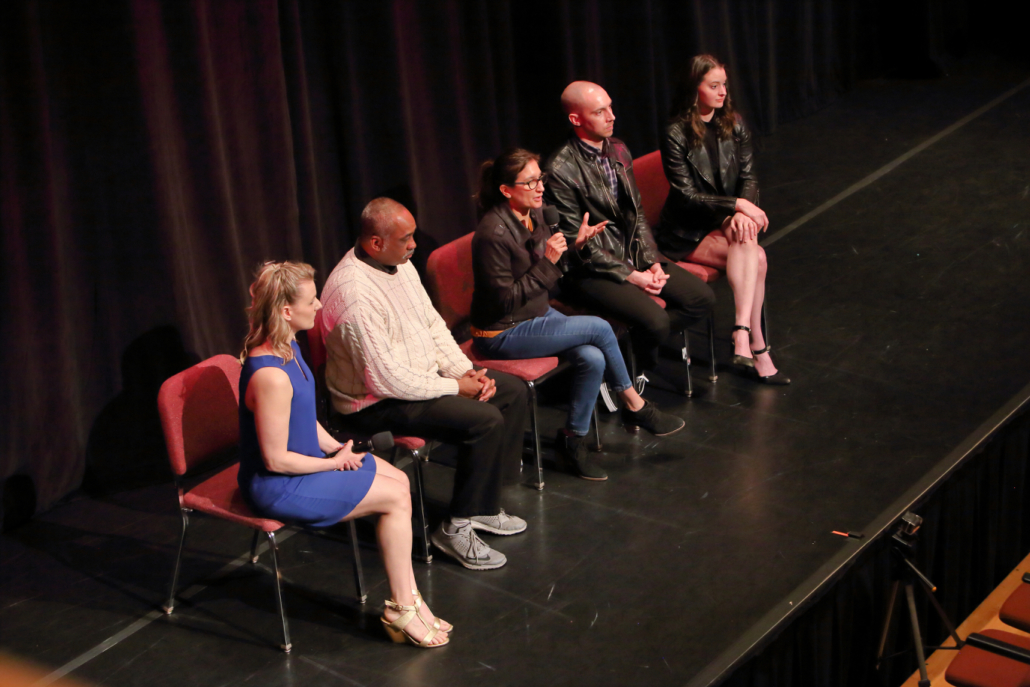
DDP: Where do you think ballet should start when combating the female choreographer issue?
SM: I think, again, there is this systemic problem. It is this staid notion of, “This is the way it has always been; therefore, this is the way it will always be.” We have men in these leadership roles, and that has been the status quo. I think it starts with changing peoples’ perceptions. There is room for all of us. It is a complicated answer because things are shifting a bit – we’re talking about it.
DDP: We sometimes hear in discussions that beginning choreographic exploration early in a dancer’s career could help mitigate this issue. If you were to design a choreographic curriculum, when would you start, what would you include, and when do you think is the right age to start?
SM: As young as possible (so it’s just part of your DNA). It is always important to build technique and exploration in the early stages. How dancers understand their own bodies will inform them how to keep dancing and exploring. I also think that it is important for young girls to take ownership of themselves as much as they can and as young as possible.
It is crucial to start these programs for young girls. For me, personally, when I was dancing, I never knew that choreography was an option for me. I never even dreamed about it.
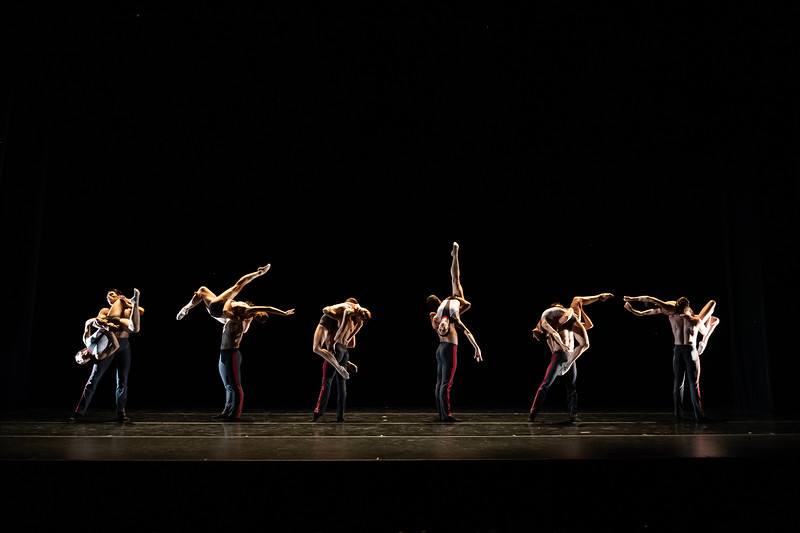
DDP: And how did it start?
SM: I was asked by the director of Luna Negra Dance Theater [Eduardo Vilaro, currently artistic director of Ballet Hispanico] to choreograph for their 10-year anniversary. He said, “Oh, you can do it.” And I thought, “You know what, I can do it.” He gave me my first commission, he pushed me out there and just said, “You can do it.”
DDP: This is something we hear about, it’s not always this process of mentorship (which is also incredibly valuable), but it is someone validating a dancer and telling them to go for it.
SM: It is a confidence that you get from someone saying, “You can do this. I know you can do this. Now go do it.” Then you figure out the rest. That was my first commission. There wasn’t even an option for me to not do it. I feel like, to some degree, everyone needs that push, that permission to do it. It doesn’t matter who is pushing you out of your comfort zone, everyone needs that permission. I just never knew it was possible for me, because I didn’t have that representation in front of me when I was a dancer.
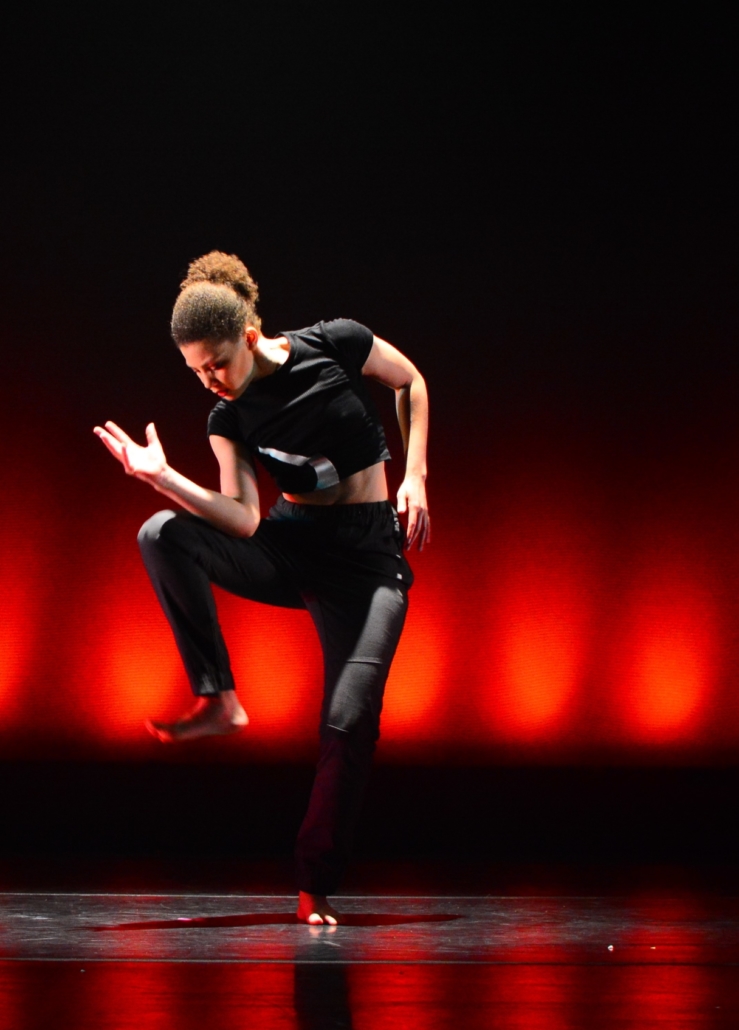
DDP: From there you caught the bug?
SM: Yes, I knew this is what I should be doing. But, if that had never happened, I don’t think I would ever have gravitated towards choreography.
DDP: At that stage, when you discovered you wanted to choreograph, was there anyone who was helping you with the next steps?
SM: No. Nobody was helping me – I don’t mean to sound gloom or doom, but nobody was helping me. It was a lot of work, I had to get myself out there and do all the logistics that choreographers need to do to get their work out there to artistic directors.
I thought, “If you are really going to do this, you need to jump in, not have just one toe in.”
DDP: And is that the advice you would give to other choreographers starting out on this endeavor?
SM: Yes, absolutely. There is no other way you’re going to find out *if* this is something you want to do until you really dive in. You really have to be obsessed. It needs to feel as important as breathing. It is to me – it surrounds me, it engulfs me. I have room for other things of course, but I think you have to have that attitude of absolute determination.
DDP: Since no one was initially there to support you early on, what do you see as your obligation to give back or help the next generation?
SM: I have had the privilege of being exposed to a plethora of incredible artistic mentors in my dance career, from brilliant dance teachers, to creative choreographers, inspiring fellow dancers, talented designers, as well as generous and supportive critics and audiences.
There is a quote I hold close to heart: “I am all of whom I’ve met.”
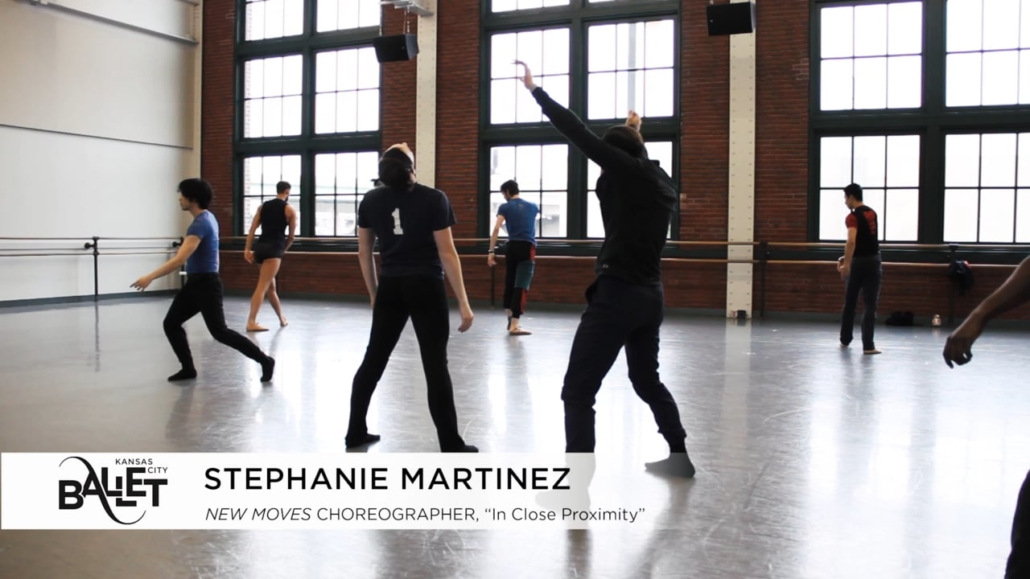
My goal of giving back is through my natural artistic ability to connect with one dancer at a time through one ballet at a time, and ultimately reaching and educating audiences with the beauty and strength of the power of dance.
I share and give back to the garden that has given me so much artistic knowledge and opportunities everyday. I see each dancer as an open vessel, hungry to learn. I open my artistic vault and share my personal approach to my craft with which I have been graced. All of this is in hopes of reaching a young artist(s) and continuing to pass on the torch – I keep a lighter in my back pocket.
I am giving the gift of dance to our next generation with pride. It is my responsibility and duty. It is important to help the next generation by navigating them towards opportunities and the right people to help further their career. It is also vital to have a person that truly understands the path you have set for yourself and can offer support, expertise, and real solutions. This can make a huge impact.


*Martinez’s premiere Bliss! was originally underwritten by DDP Founder Elizabeth Yntema.

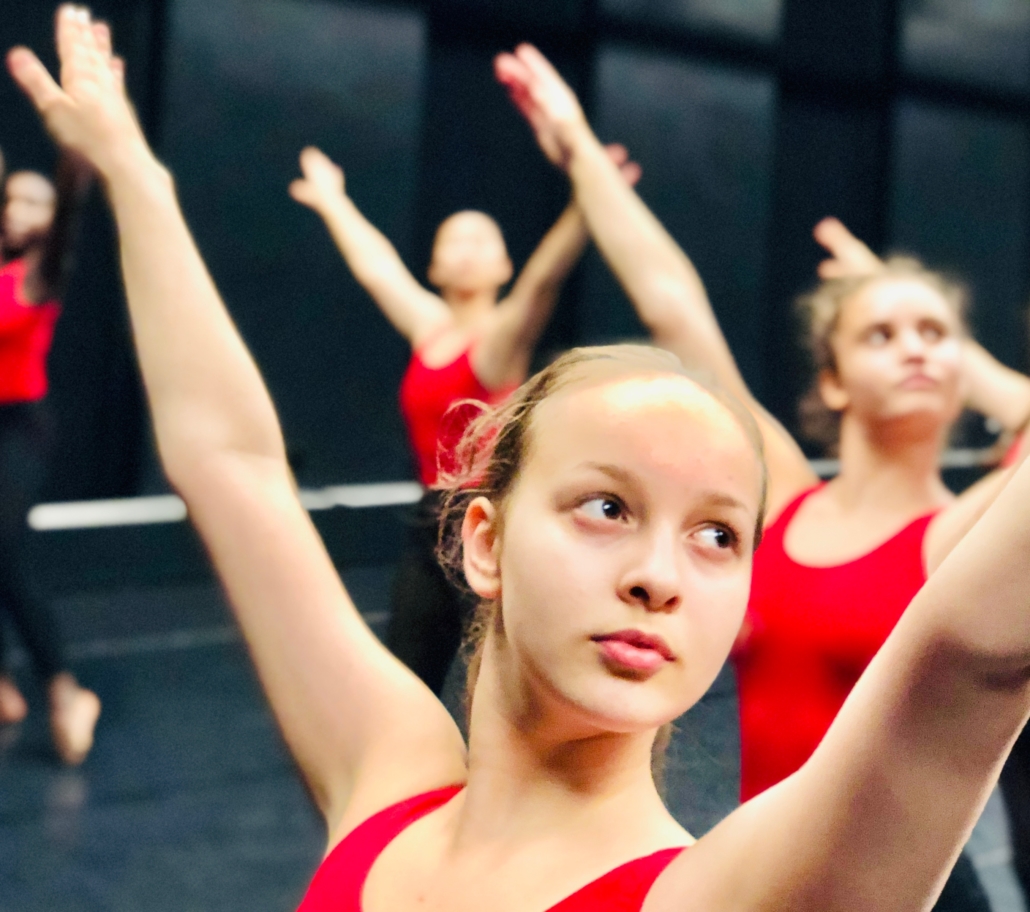
Flight Path Dance Project is a tuition-free, four-year training program and repertory dance company for fourteen to eighteen-year-old dancers in New York City. In addition to regular technical training and repertory rehearsal, Flight Path dancers engage in monthly workshops with artists and professionals in injury prevention and management, meditation and wellness, and nutrition and exercise, as well as industry and college representatives. As a repertory company, Flight Path dancers interpret and perform both new and existing choreography by established and emerging choreographers in authentic concert dance environments.
Flight Path’s Spring concert, featuring choreography by Artistic Director Michael McGowan and guest choreographer Stephanie Martinez, will be at the New York Live Arts theater (219 West 19th Street) on June 11, 12, and 13, 2020.

Learn more and visit Stephanie Martinez’s website here.
Learn more and visit the Flight Path Dance Project website here.

Within hours of being introduced to Stoner Winslett, and longtime Trustee Betsy Gayle, I knew that I wanted to make Richmond Ballet our first subject for the new DDP feature “Meet the Company.”
It is not just the landmark four decades that Stoner will mark this year as artistic director, but the extraordinary, highly-professional atmosphere at the company, as well as the sense of pride in tradition and place, that make Richmond Ballet exceptional.
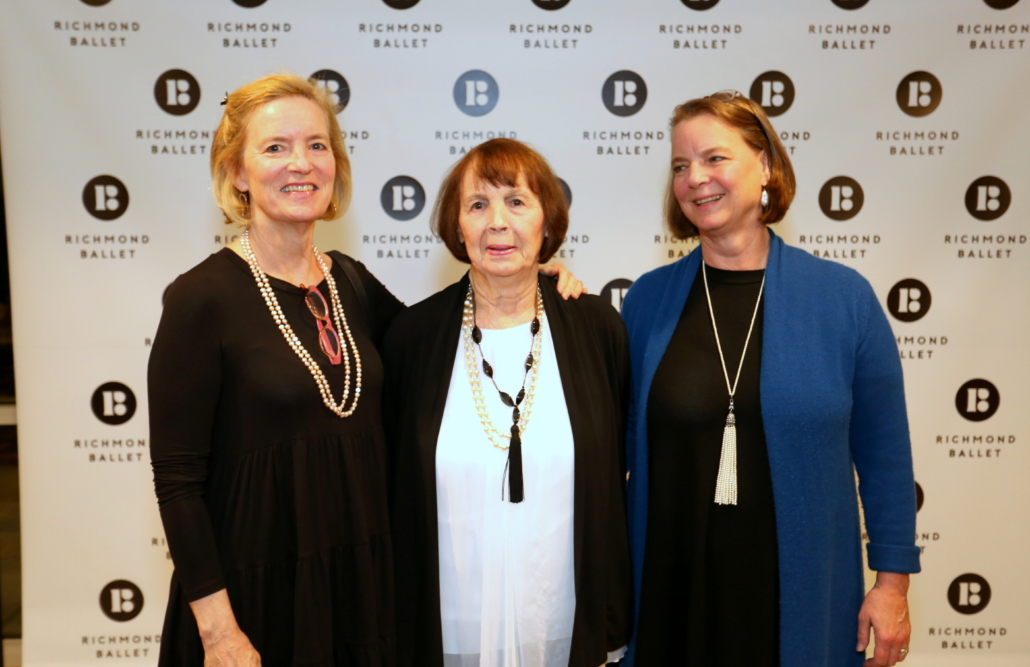
In speaking with these two remarkable women, who together represent over a century of experience with the company, I was treated not only to a genuine wave of southern hospitality, but to a palpable sense of pride and ownership for the community that they have built, extending from within the building into the surrounding city. I kept thinking, “What a great place, I would love to hang out with these women all the time.”
Then, meeting Brett Bonda, with his sense of humor, boundless energy, and constant search for innovation, simply cemented the idea that, though Richmond Ballet may be in a smaller city, the company represents the pursuit of excellence and recognition of the importance of each individual working together.
I saw that every student, teacher, or staff member was greeted warmly and personally. Clearly, Stoner knows every nook & cranny of the building, but I heard her ask over and over about everyone’s family, career ambitions, or his/her personal projects. Brett walks the walk in terms of community engagement and awareness. He realizes that for many Americans, dance is a luxury, coming well after immediate family concerns about enough money for rent, and children’s education and safety.
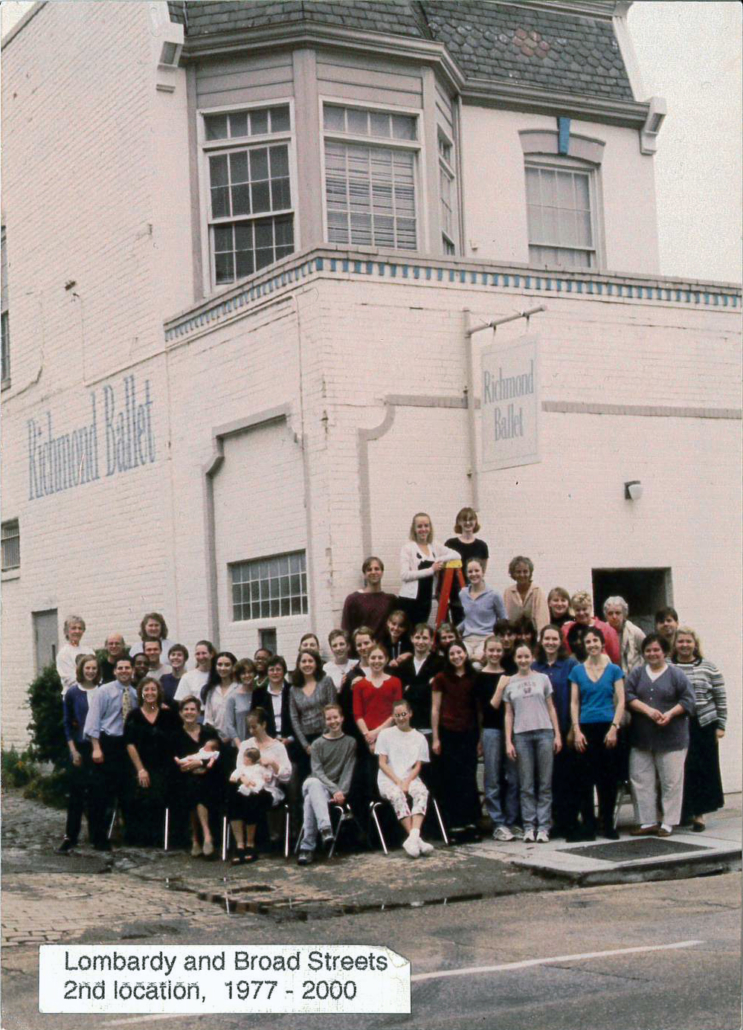
Richmond Ballet was the first professional ballet company in Virginia, but its reach extends far beyond the southern state. Its leaders, artistic director Stoner Winslett and managing director Brett Bonda, have each been a part of the Ballet since its beginning and have each played unique roles in helping it grow. Bonda affirmed, “What we determine to be integral to our mission and vision we ensure is done to the highest level possible. I truly believe this is why the organization has survived through the many challenging years to arts organizations.”
Bonda and Winslett have worked together in varying capacities for 35 years. Their partnership could be a case study for successful management – and equitable management, at that. When asked about the success of their leadership, Bonda said, “We have a mutual respect for each other and the similar expectations and work ethic needed to run a successful organization.” It always comes back to the organization’s mission, Bonda added, writing, “We both strive to continue to support the mission and when we have difficult decisions to make, we always refer to the mission to make sure we are still in line with its original intent.”
DDP had the privilege of interviewing the two leaders to pick their minds about Richmond, their exceptional education and outreach program, Minds In Motion, gender equity, successful management, and 40 years (!!!) of Winslett’s programming and artistic leadership.
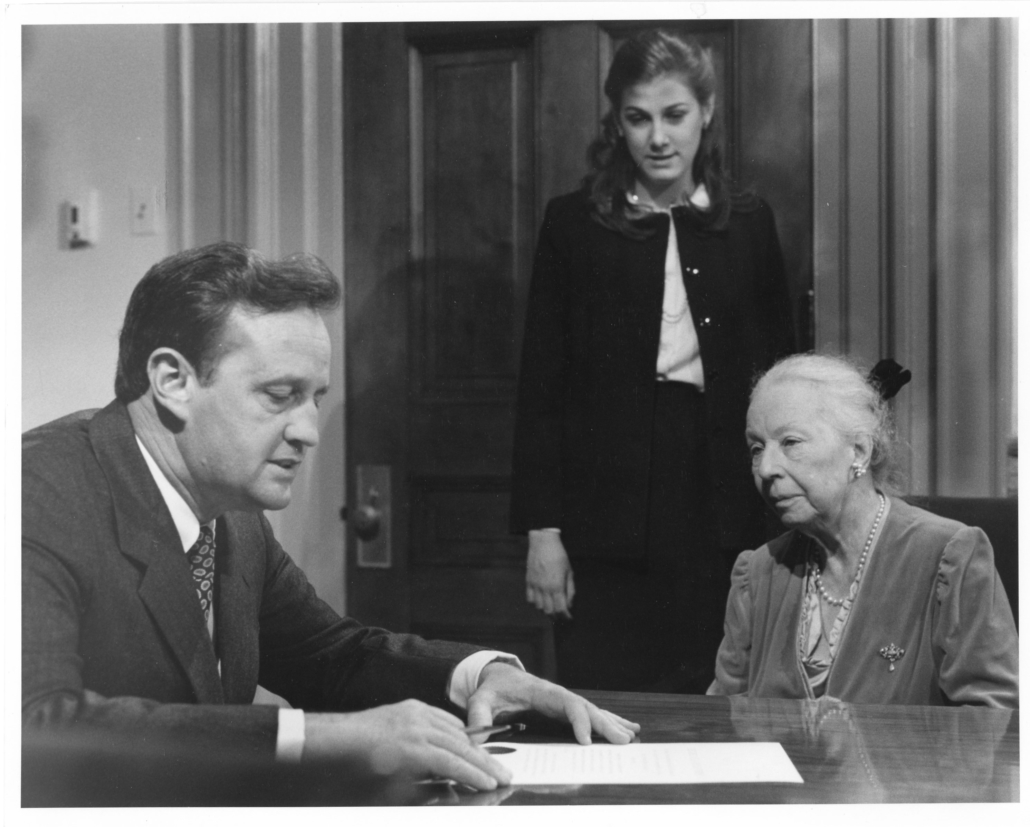
Dance Data Project (DDP): This is Stoner’s 40th season with Richmond Ballet – you are the longest tenured artistic director of a major ballet company. What does the 40-year milestone mean to you?
Stoner Winslett (SW): Forty years is a long time – 2/3rds of my life – and it is frankly a time of reflection on how I have spent my professional life. I have no regrets. I have worked really hard and given up a lot but I have gained more. I believe that many people come into the world wanting to leave it a better place than they found it. Even on the darkest days, I know that, working with the other committed artists and our supportive community, Richmond Ballet has made a real difference not only in the Richmond community but in the ballet world as well.
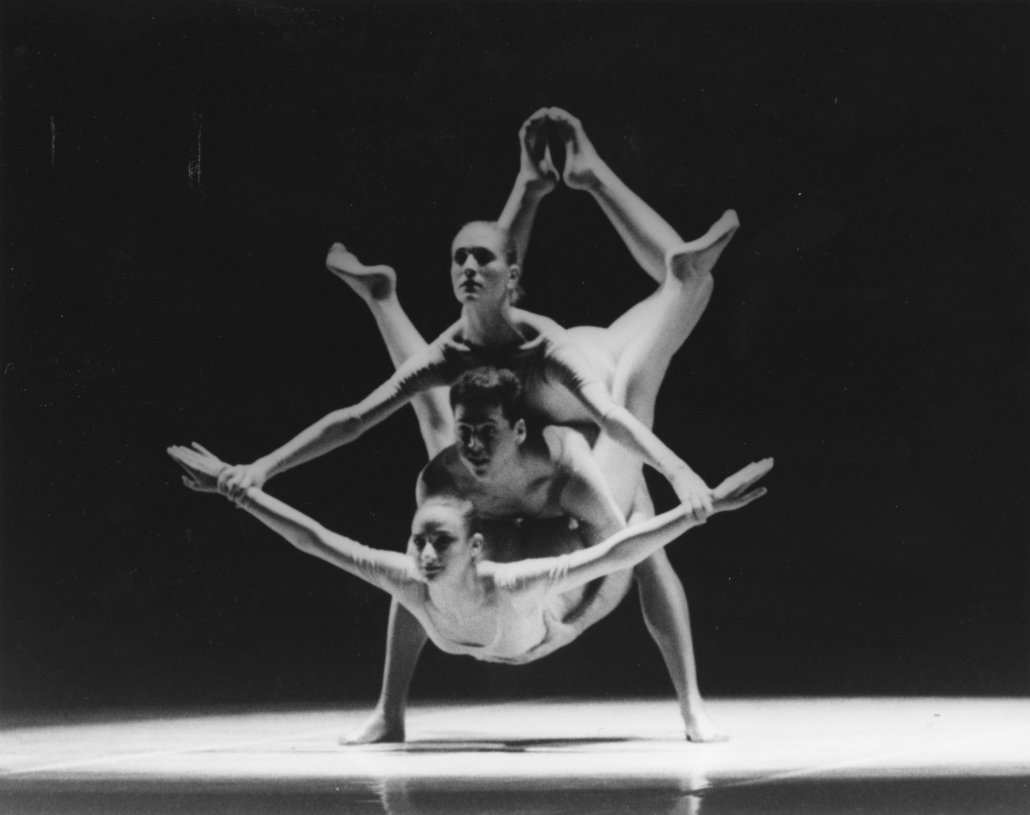
DDP: Brett, you were a dancer with Richmond Ballet beginning in 1985 (its second year as a professional company), danced for 10 years, and then transitioned into administrative roles – this is your thirty-fifth consecutive year with the company. How does your background as an artist influence you as a manager?
Brett Bonda (BB): I feel my background as a dancer/artist has given me a different perspective in approaching my role as Managing Director. I also know that my experience as the first director of Minds In Motion provided me tools that were very similar to managing the entire organization, just in a “mini” version. I’m fortunate that I have “street cred” with the organization, especially with the dancers, since they all know that I know what it was like to be a dancer in the company and when I make certain decisions, I do it in a holistic fashion, not just from a financial or operational view. I think this goes a long way in establishing support from all departments in the organization.
DDP: Tell us more about this initiative, Minds In Motion (MIM).
BB: In connection with the professional company celebrating its 10 year anniversary in 1994, Stoner wanted to give back to the community that had generously supported us over those 10 years, by creating a community engagement program for school students that might not have the interest or inclination to be exposed to dance education. While she could have gone the route of creating a new Swan Lake, Sleeping Beauty, etc. for the Richmond community to celebrate this milestone, her desire to provide quality dance education to a diverse population, was, and still is, a true testament to her wanting to create a company that was truly unique in its culture. She researched several programs around the country and decided to model ours after the National Dance Institute, founded by Jacques d’Amboise.
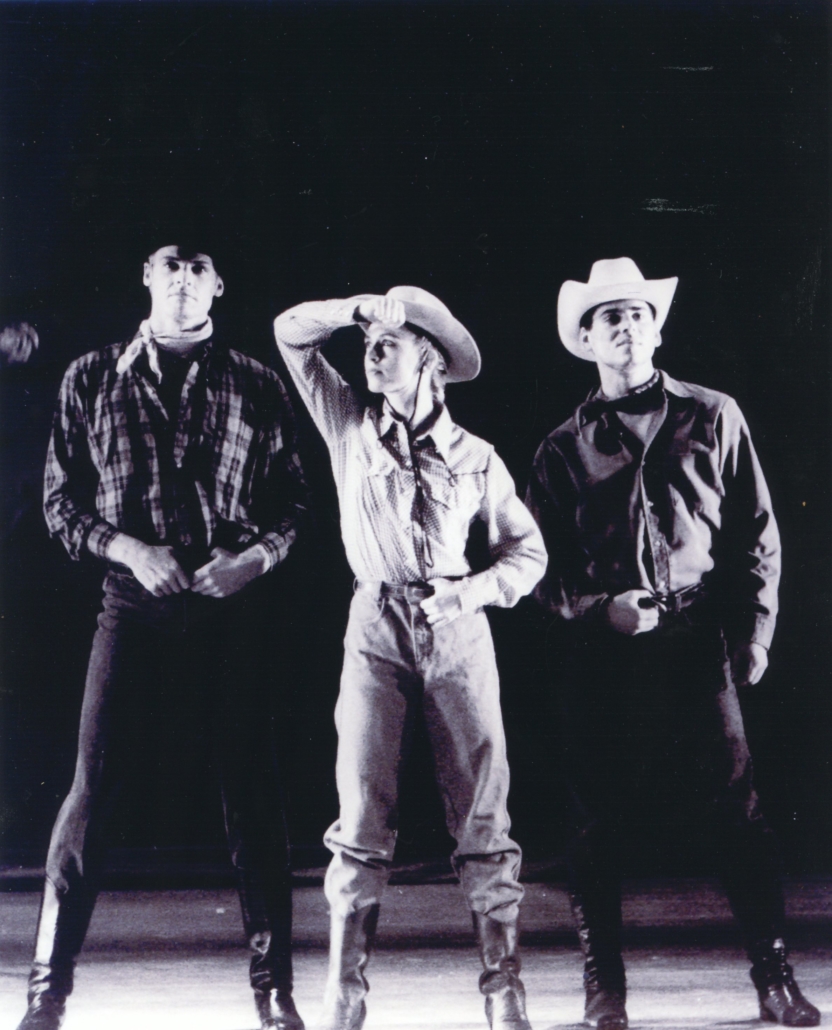
Personally, deciding to retire from the professional company to start a new program was not an easy decision, but now looking back at the impact MIM has had on so many students, I know it was one of the best decisions I could have made. While it is the piece de resistance to find an Ira White, who started dancing as a MIM 4th grader and is now a professional dancer with our company, it is just as rewarding to hear from the parents of students that tell me that MIM has given their children confidence and pride in other aspects of their lives.
It’s not often that you know you have made a difference in someone’s life, but I know Richmond Ballet and MIM has had such a positive impact on so many children over the past 25 years. And now with our MIM Israel program in its 10th year, the positive impact we are having bringing two diverse populations (Jewish-Israeli and Arab-Israeli) together for a unique, shared experience, is quite remarkable and relatively unheard of in Israel.
Learn more about Minds In Motion here.
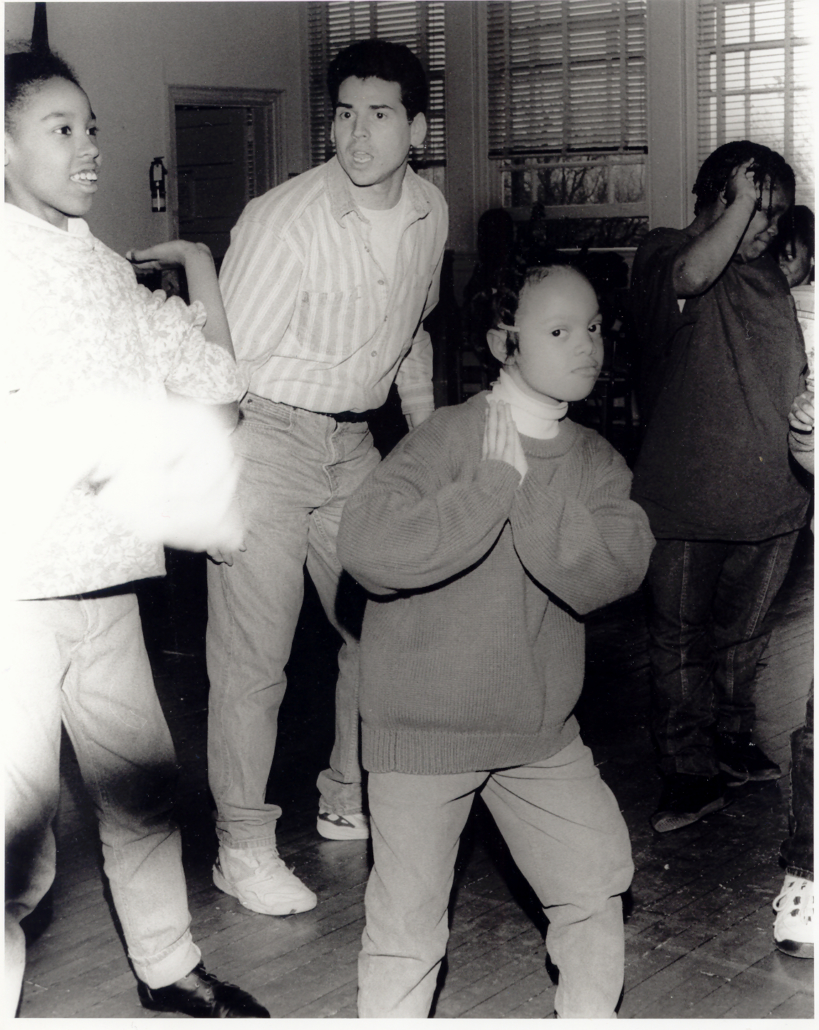
DDP: It seems like community is something that comes up again and again when talking about Richmond Ballet. Your vision statement mentions it multiple times, saying, “Through the work of Richmond Ballet, this community will continue to move towards one that universally respects the value of human life, both physical and emotional; the power of cooperation and mutual respect; the work ethic and discipline required to achieve anything truly meaningful; and the joy of existing in a compassionate community.” Have you seen your community in Richmond change over the years as a result of ballet’s presence?
SW: I like to think that the ballet has been a positive influence in dramatic changes in Richmond. Big issues in our community have been and continue to be racial tension, quality of public schools, and the decay of the city’s downtown, and I believe we have been an instrumental force in helping all three.
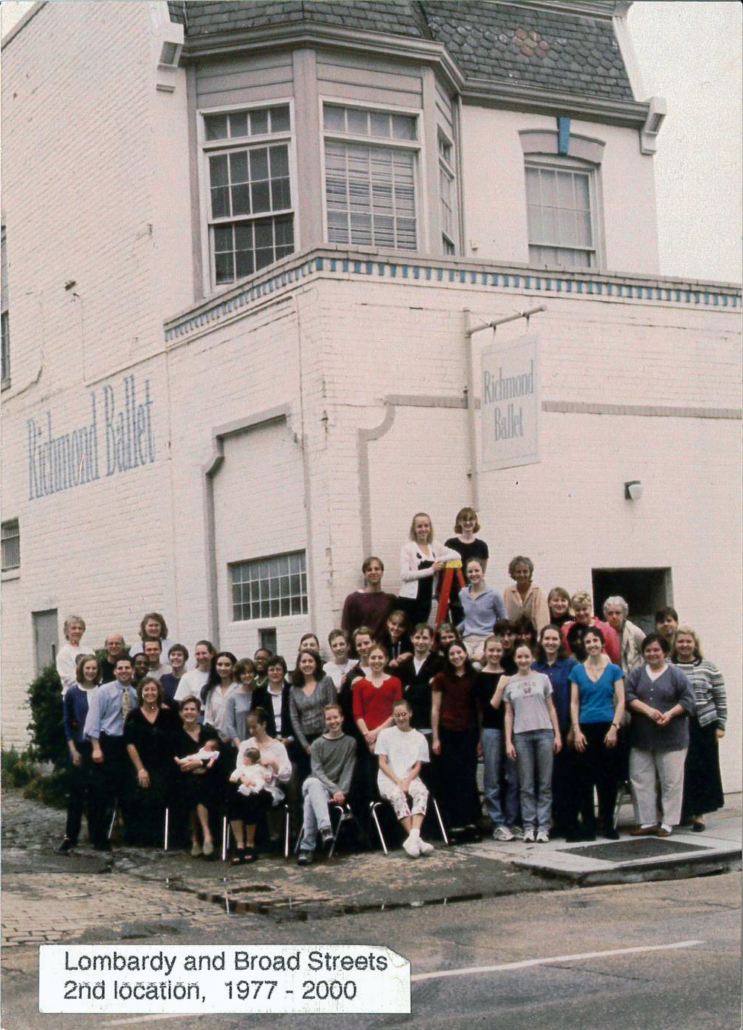
In terms of racial equity, we have always had a dancer population in our school and company that looks like the faces in our community. We are also excited to be celebrating 25 years of MIM, reaching 4th graders in 20 Richmond area schools, and we have had three company members who are alums of MIM. We moved downtown to our Canal Street location in the year 2000 and have maintained an entire city block of real estate ever since. Downtown Richmond has changed dramatically over the past 20 years and I am certain that our 135 faculty and staff, along with our 900 students and their families, coming in and out of the building every week, have been a positive force in that change.
Also, I feel that every time we take the stage with our mission to “uplift and awaken the human spirit” that we present an oasis which we hope gives a vision of the kind of world that Richmond, and the rest of the planet, can be when good human beings come together and work for the common good.
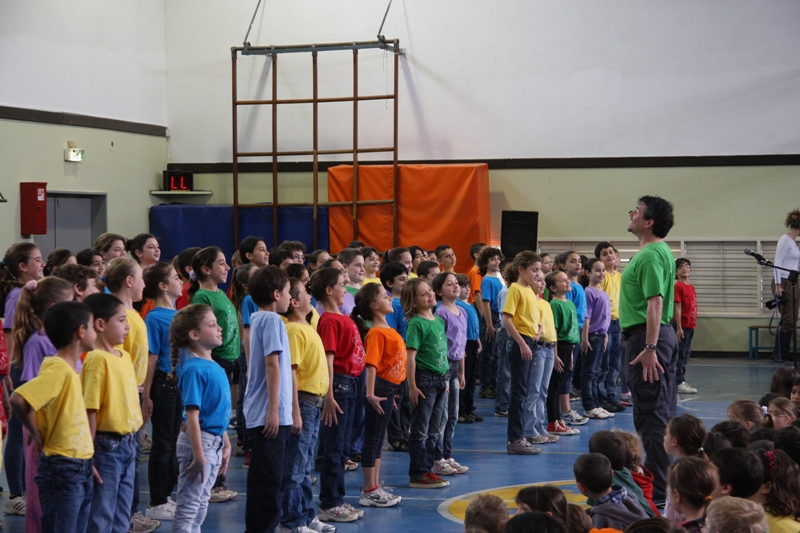
DDP: What additional programming and innovation can you as a company deliver to the community?
BB: We recently made a commitment to focusing more intently on transitioning students that we teach in our MIM program to more formalized ballet training in the School of Richmond Ballet. This required more studios, so we recently dedicated over $2 million to expanding our basement into 3 additional ground floor dance studios. This has enabled us to provide ballet training to a more diverse population, thereby directly affecting diversity, inclusion and equity for years to come.
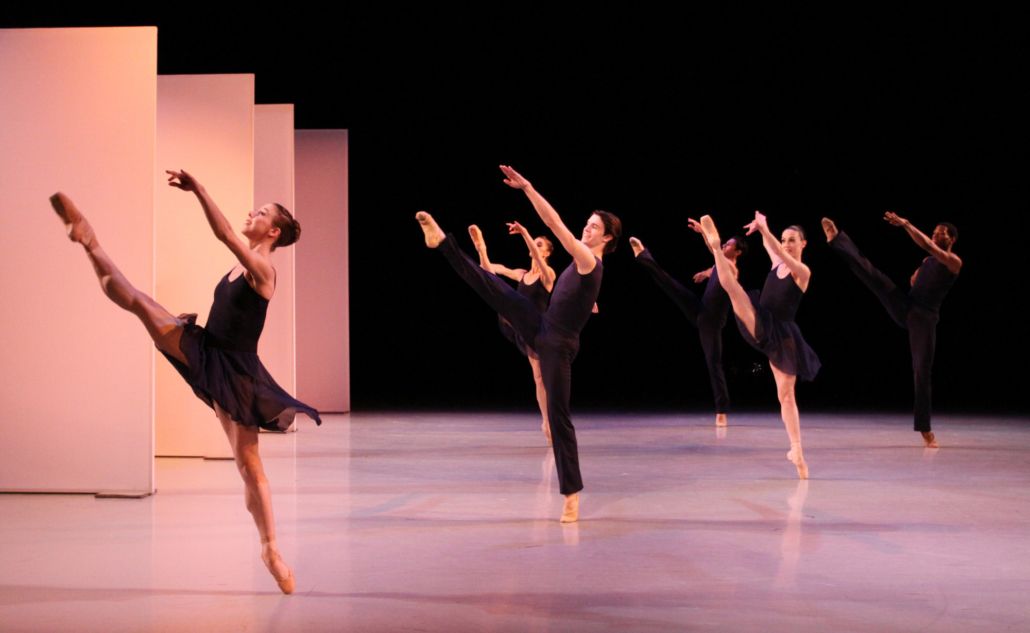
DDP: What are your aspirations for the company in years to come?
BB: The company’s artistic standards have risen to such a high level, that we have now turned our focus to enhancing the administrative team. Like most organizations our creative goals are not always within the means of available resources and staffing. We will continue to attract exceptional and creative leaders on our administrative teams, in order to provide the necessary support for the future growth of the organization.
DDP: Choreographers from around the world regularly submit their work to be featured by the company. What do you look for in a choreographer for Richmond Ballet? Has that vision changed overtime?
SW: I enjoy commissioning works very much. Commissions allow our dancers, artistic staff, and production staff to be part of the creative process. The product that comes out is uniquely ours. I also love giving the opportunity for choreographers to work in our very special environment, which they universally report to be supportive and conducive to their best work. I look for choreographers who use the basic line of the classical ballet heritage as part of their own unique language to be voices for today.
DDP: You also said that you actively encourage your own dancers to explore choreography. You yourself choreographed your first full-length ballet at 17. Why do you think it is such a challenge for young female choreographers to receive commissions when there are young women out there who want to do it as badly as the young men?
SW: When I urge our dancers to choreograph, I seem to get similar interest from the men and the women. Perhaps that is because the women in our company have grown up with a female artistic director who choreographs.
DDP: So, leadership from the top down is critical. As the former Vice Chair of Dance/USA, you’ve worked with the most important figures in the American dance scene and set a strong example of inclusivity. According to our research, in the last two seasons Richmond Ballet holds the distinction of being one of the top 15 companies programming work choreographed by women. Why do you think other leaders have not afforded women the same opportunities?
SW: I honestly do not know why there have not been more women choreographers and women directors. I was aware of the small number of female artistic directors, but not the paucity of female choreographers, before I was exposed to DDP. I do think that in the ballet training process, boys may feel more empowered than the girls because there are far fewer of them. Boys tend to get special treatment because they are scarce. Many of them also start later, so they have more in their lives than just ballet.
In addition, it is just a fact that being an artistic director and choreographer is very difficult, if you want to start a family. Ten years ago, Richmond Ballet sponsored a conference hosted by Anna Kisselgoff called “The Glass Slipper Ceiling,” and the four female artistic directors of major ballet companies at the time were speakers. It was on the occasion of my 30th anniversary here. The other three female artistic directors in the US at that time were Celia Fushille, Victoria Morgan, and Dorothy Gunther Pugh.
Celia and Dorothy both had children but they were older and launched, and neither of them did their own choreography. Victoria choreographs but she never had any children. I had a big realization that what I was trying to do – direct a company, stay involved in my own choreography, and raise a family – was not being attempted by any other woman in the country. It is not easy.
DDP: What tangible solution could you give to the female choreographer problem?
SW: I think all of us in the professional ballet world need to do a better job of encouraging female choreographers within our ranks. It is tough because the dancer’s life is short and many dancers want to concentrate on their performing while that special gift is available to them but, if we can work it into their schedules, I think giving them a chance to create helps them develop their artistry on many levels. Female dancers obviously may need a little extra encouragement because of the ballet world’s long-time gender dynamics.
DDP: How might you encourage young women in your company to come forward and explore choreography (or if they are coming forward, how have you already supported them)?
SW: We have had two of our company women and several of our trainee women choreograph for our New Works Festival II in the last several years. After realizing the need for more female voices in the field, an understanding I came to from DDP research, I will redouble my efforts to jumpstart female choreographers here.
I also have a more watchful eye on the repertory, in general, to be sure that there is a variety of voices represented. There always have been but a little extra attention cannot hurt. We live in a world where groups who have felt underrepresented over decades, if not centuries, are feeling the courage to speak up. I want Richmond Ballet to be responsive and to actively demonstrate on a daily basis that our art form is relative, inclusive and a powerful force for a positive world.
DDP: Brett, as these artistic decisions are made and Richmond Ballet’s programming reacts to the current climate, how do you act to ensure the company has the financial means to accomplish the commissions of new voices and diverse works?
BB: I believe all good managers should surround themselves with team members that can be relied upon to provide sound financial data that I can then use to make informed decisions. Transparency is the key to maintaining the status and financial success of the company. Obviously, there are some financial details that need to remain confidential, however, most of our operations can be shared with other team leaders, so if everyone is on the same page on why a decision was made, that goes a long way in avoiding misunderstandings.
I also have found that if I articulate financial implications to artistic decisions, the artistic staff might decide to move in a different direction than they would without this data. I’m also fortunate that Stoner is the founding artistic director of the company and she has always had a wonderful grasp on the financial status of the organization, so her artistic direction for the company always factors in the financial implications to the organization.
DDP: Richmond Ballet is known globally. Many companies that started under similar circumstances outside of NYC, San Francisco, etc. have not been so successful. You even saw this happen when you were first choosing between Richmond and Baltimore Ballet to begin your dancing career, Brett. What do you think has set Richmond apart to succeed?
BB: It comes down to Stoner and her vision many years ago to establish a company different than many others at that time. She led the organization with fiscal responsibility, which, combined with her artistic vision, has continued to garner success and growth. The respect that she earned in the community with powerful leaders, donors, and nationally in the arts world, have all made the organization thrive with their support of her and the company.
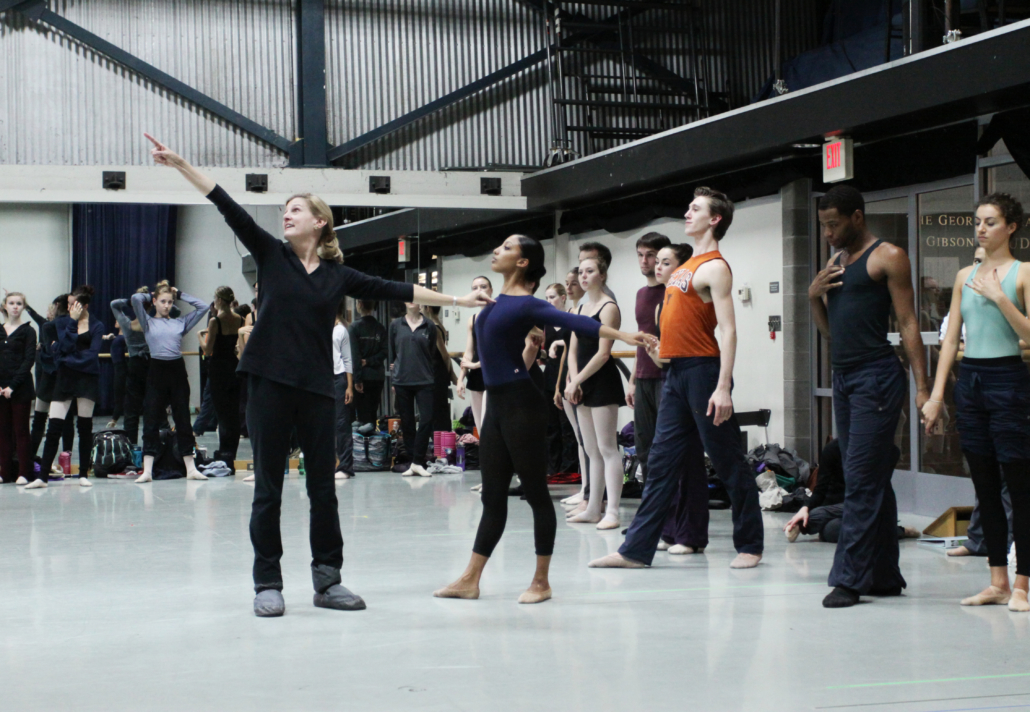
Richmond Ballet’s 2019|2020 season continues in November with Studio One, a program that opens with Ancient Airs and Dances, a work choreographed by the artistic director early in her tenure at the company. The program will close with a world premiere by Ma Cong. Tickets can be purchased online at https://www.richmondballet.com/season-tickets/.
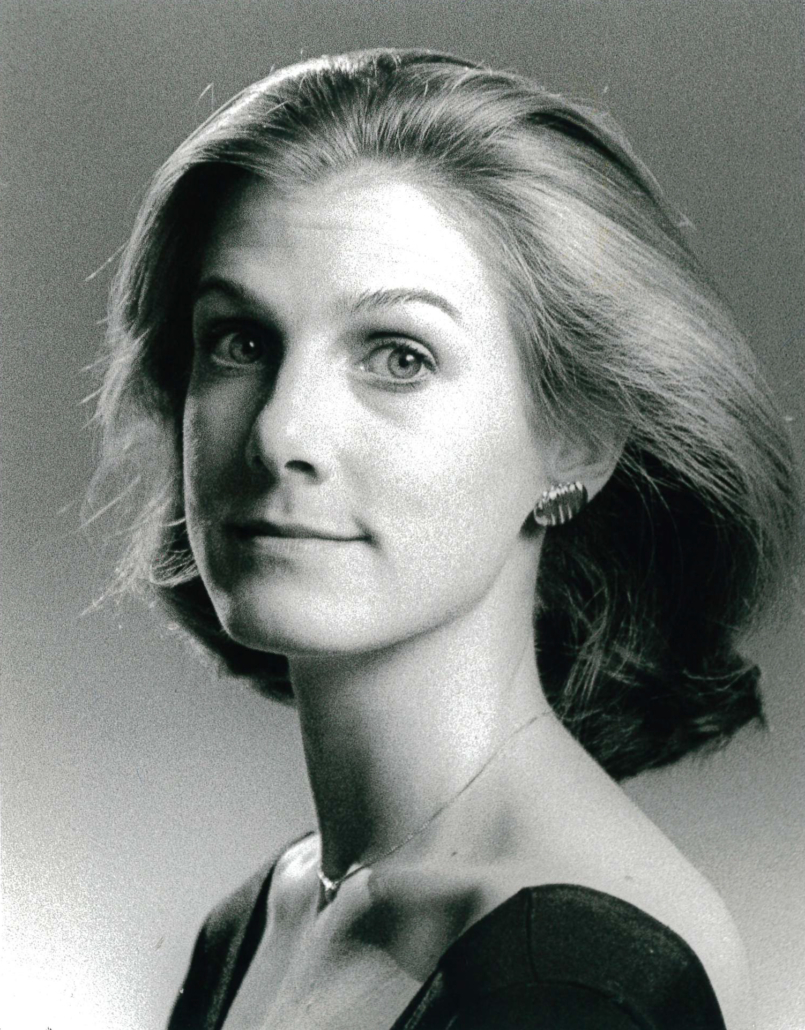
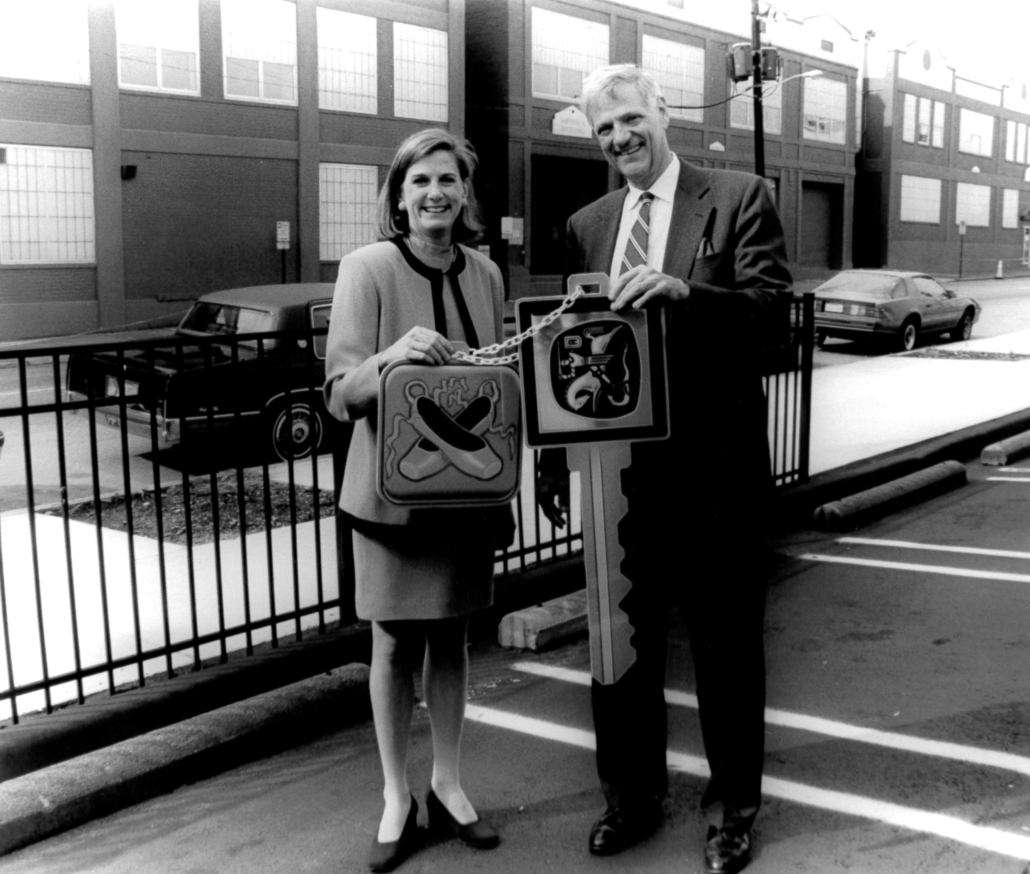
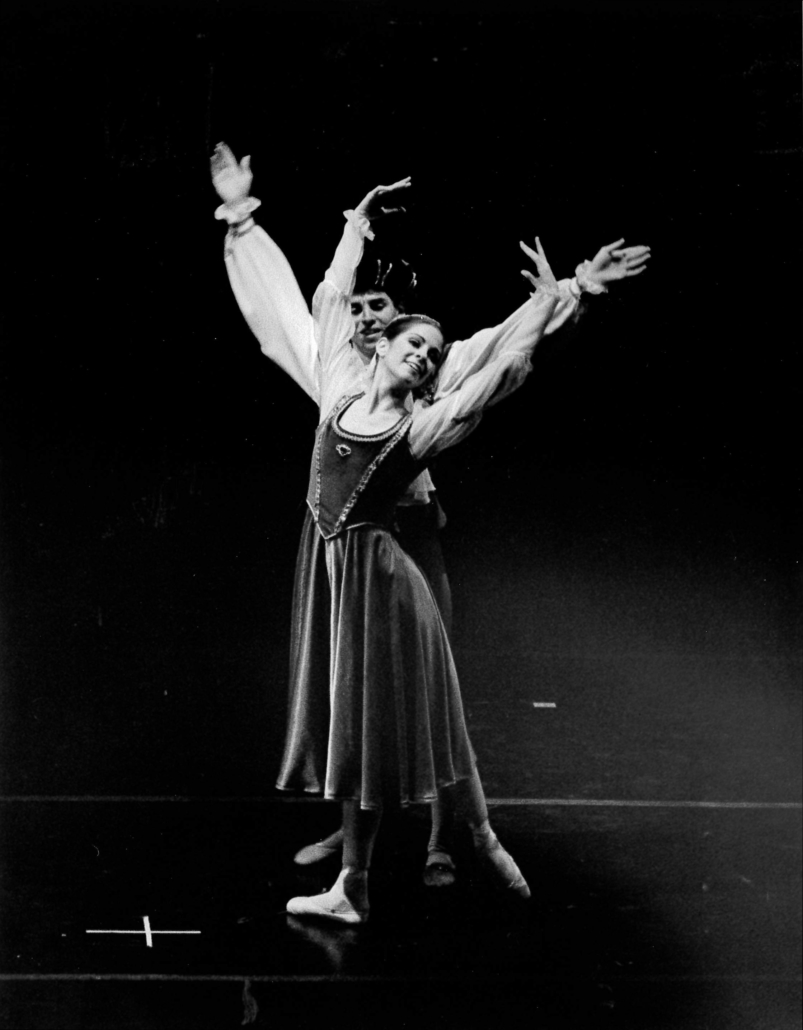
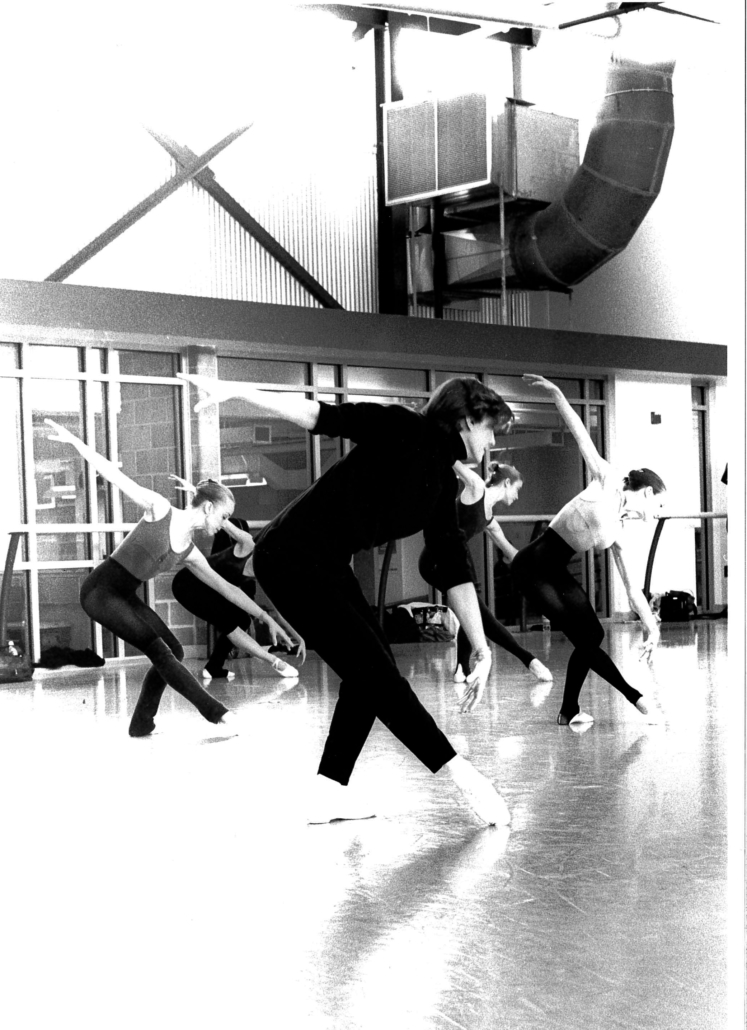
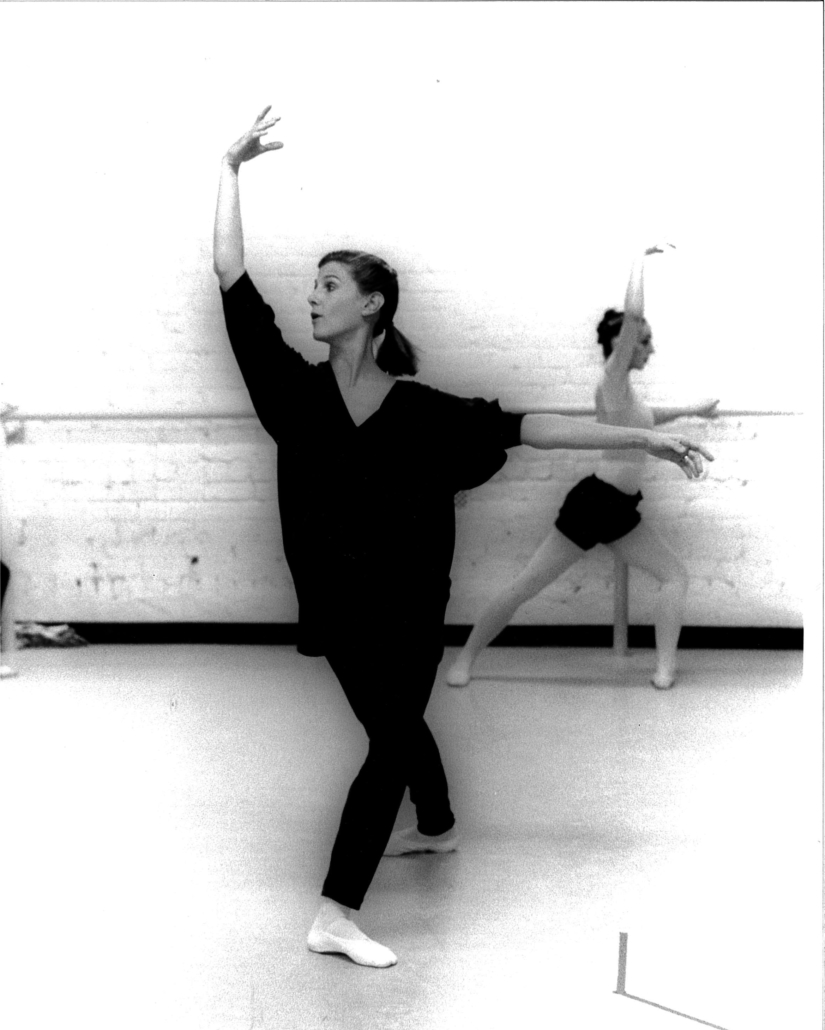
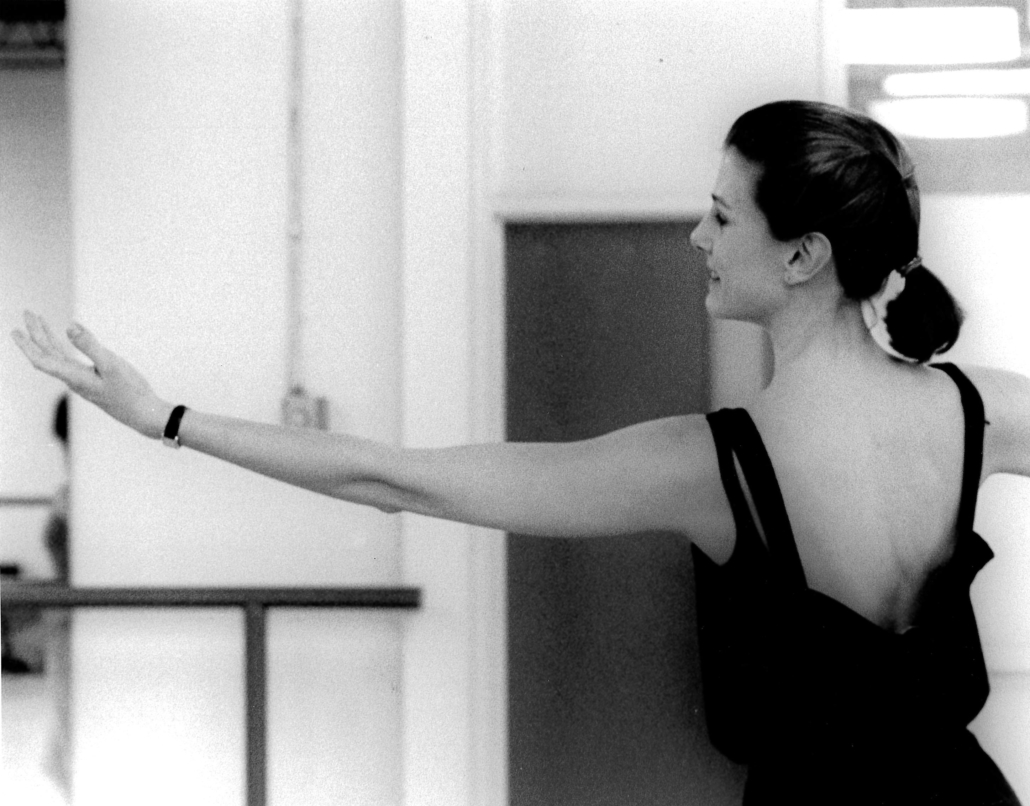
See a collection of images from the past 40 years at Richmond Ballet in the following gallery:
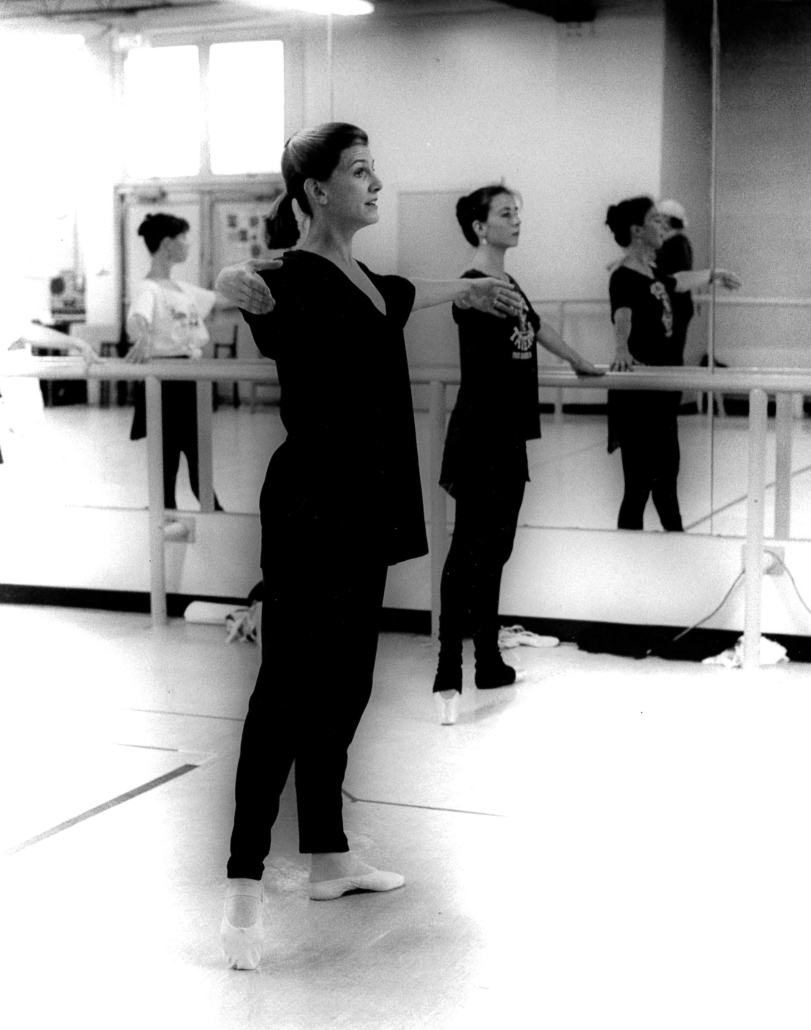
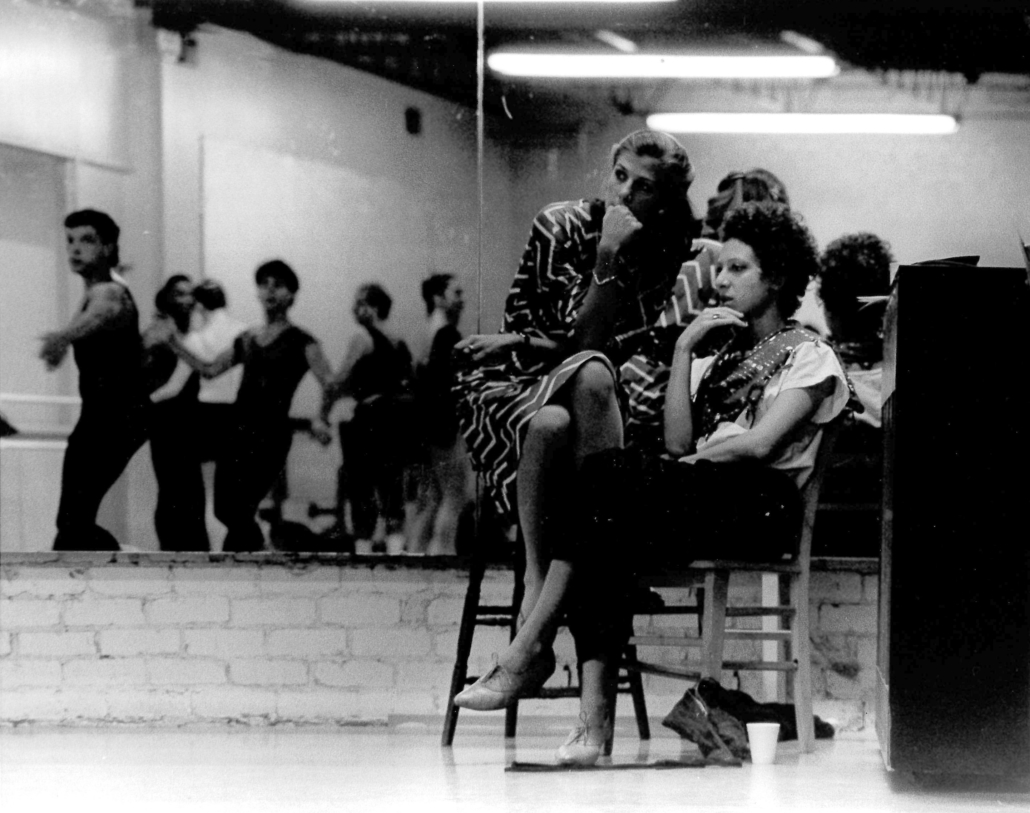
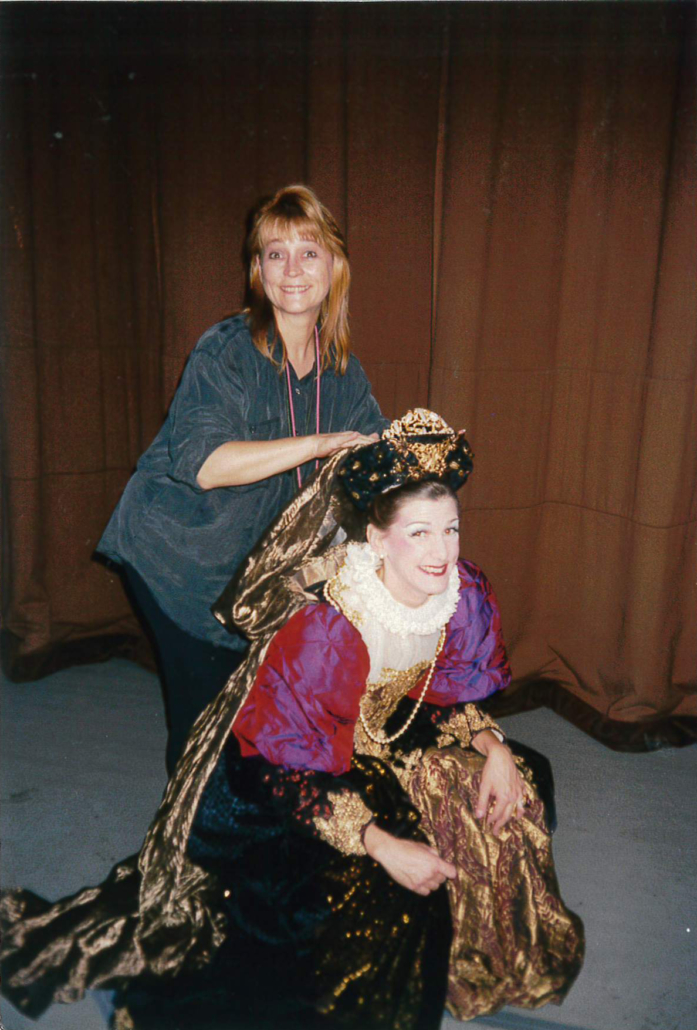
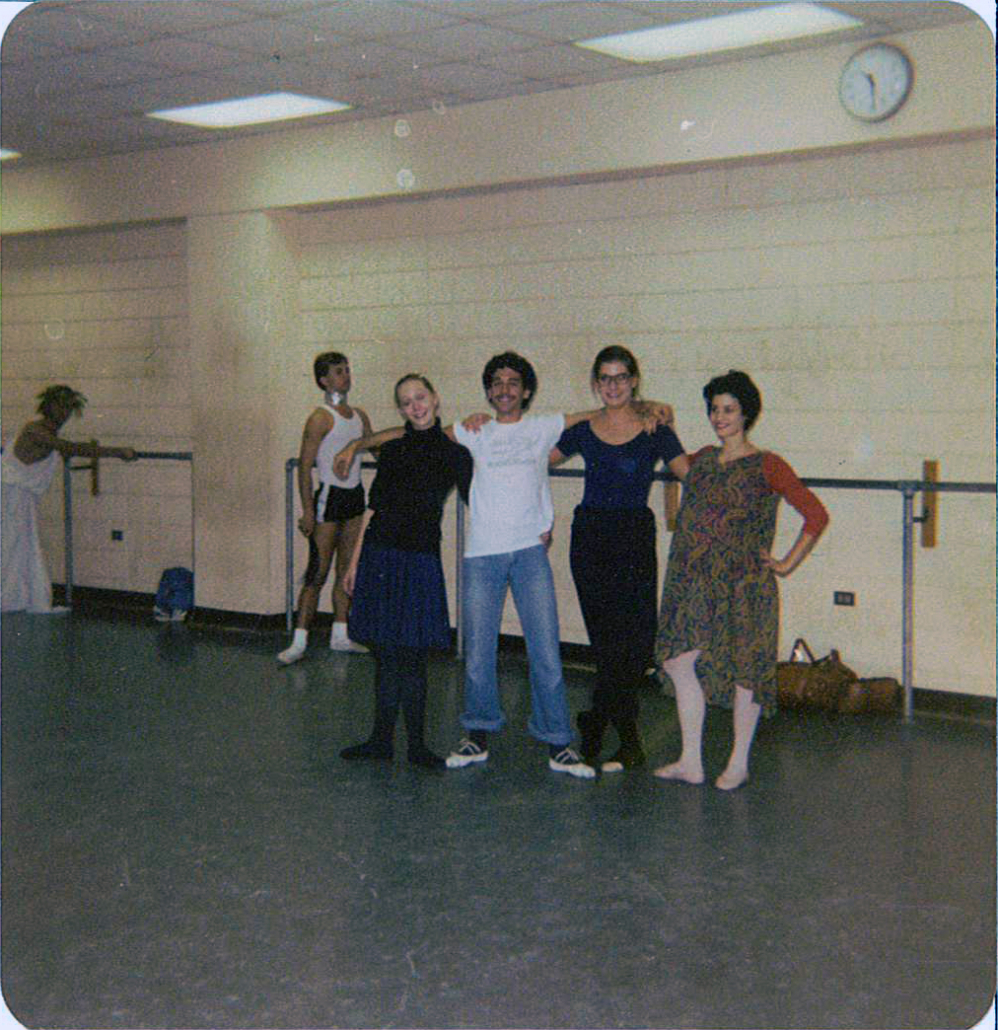
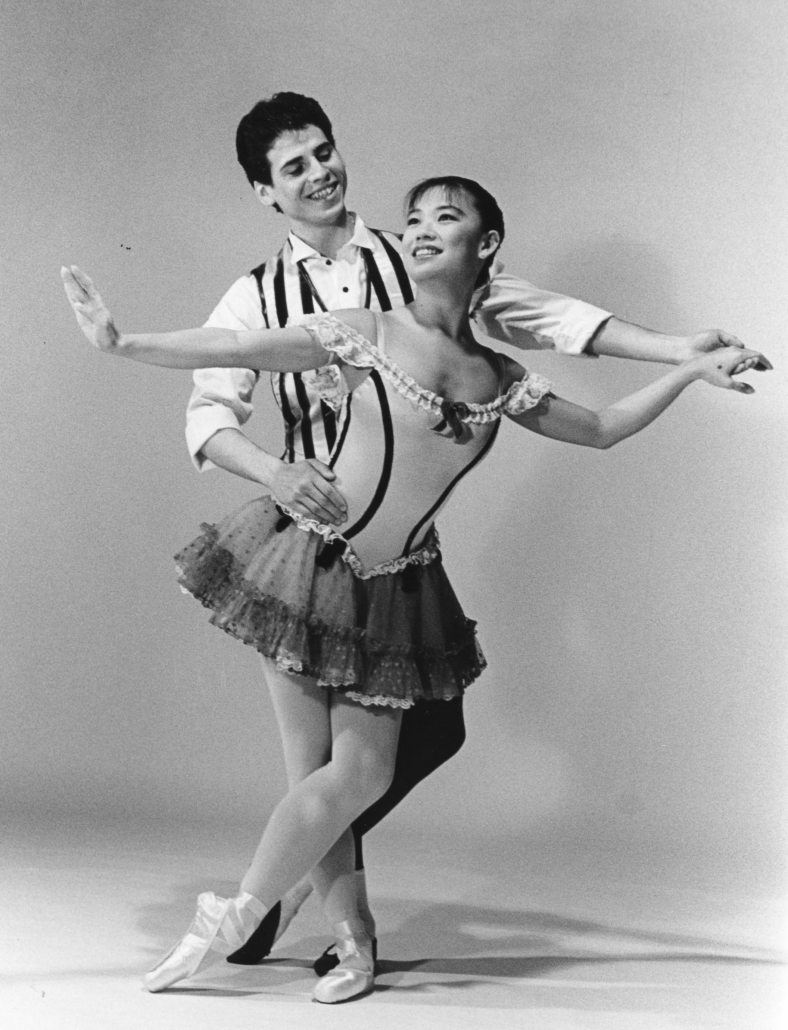
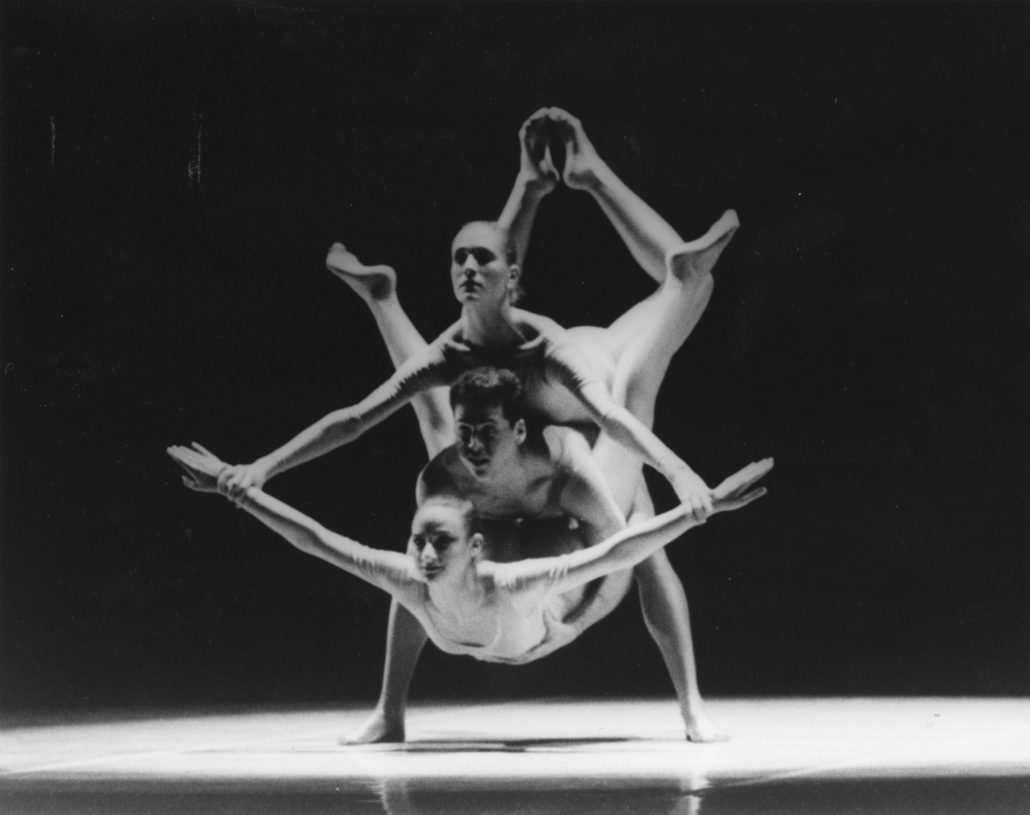
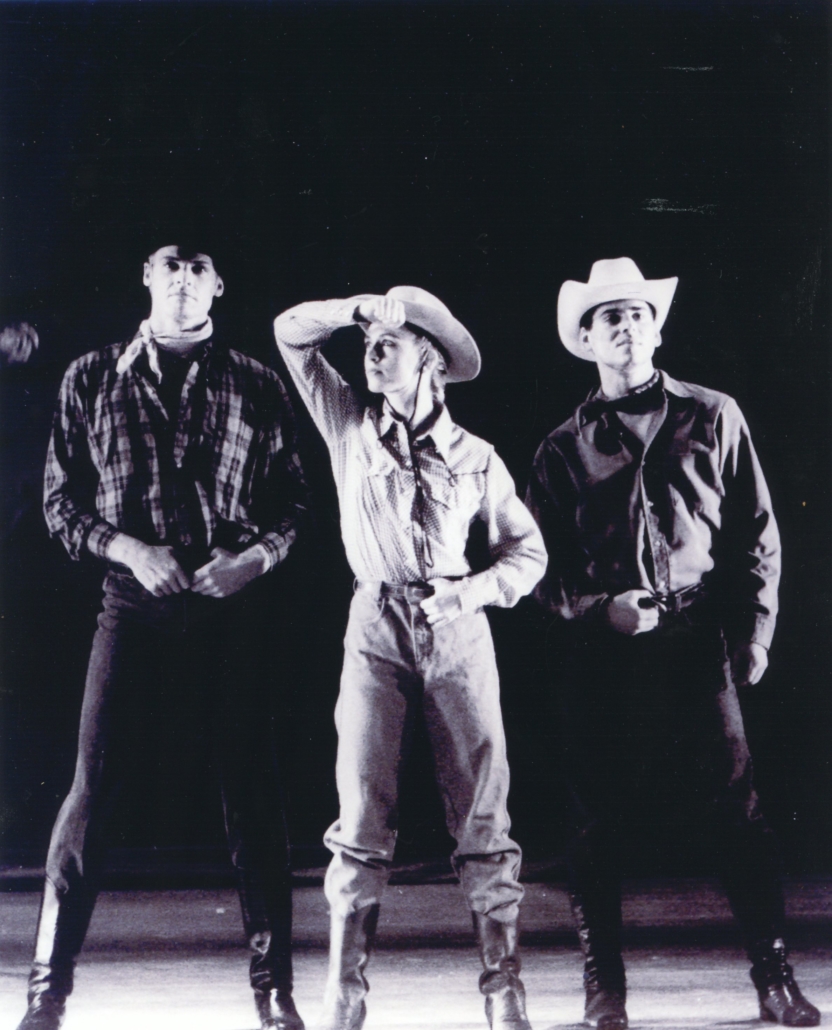
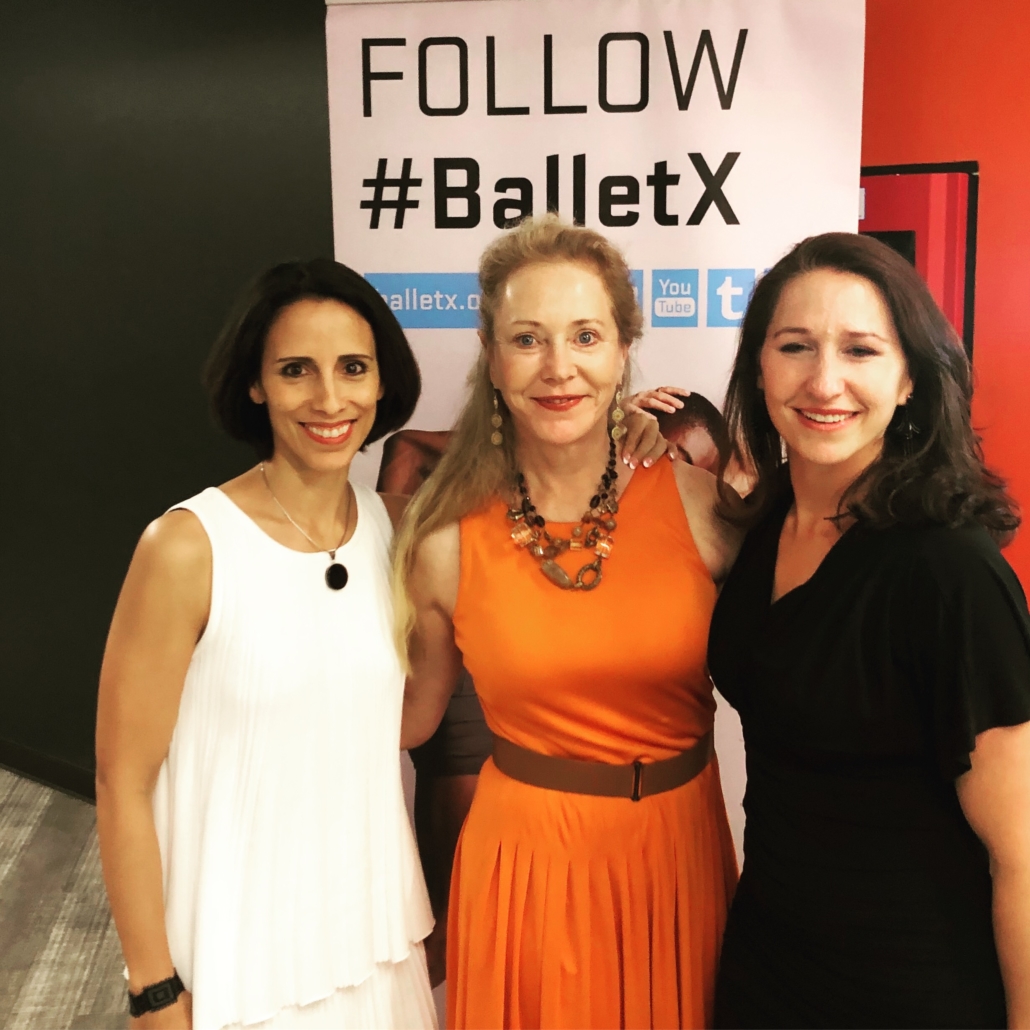
DDP Founder and President Liza Yntema had the pleasure of interviewing choreographer Annabelle Lopez Ochoa for DDP’s latest Meet the Artist. Read the article below and learn more about Annabelle Lopez Ochoa on her website, here.
Liza Yntema (LY): Can you tell me about your background, both as a dancer and as a choreographer?
Annabelle Lopez Ochoa (ALO): I trained in the classical Vaganova technique at the Royal Ballet of Flanders for seven years, along with some Martha Graham technique, jazz, and flamenco. Then I danced in four different companies in Germany and The Netherlands for 12 years, going from a Dance Theatre based group in Germany, to a modern jazz troupe in Holland, and ending at the Scapino Ballet, a contemporary dance company in Rotterdam, where I choreographed my first pieces during the annual choreographers’ workshop. The company’s artistic director, Ed Wubbe, noticed my talent and subsequently commissioned a new work of mine for the company. The same happened after I made a short duet during the choreographers’ workshop at the Dutch National Ballet. After seeing the work, Ted Brandsen commissioned me to create a new work for the company – this would be my first ballet piece with the dancers en pointe.
LY: What was your first piece?
ALO: I started choreographing at the age of 11, so I’m not quite sure what I would count as my first piece. I suppose I could choose “Symbiosis,” my first creation for the 1997 choreographers’ workshop at Scapino Ballet. It was a short female duet based on a French rhyme that I had written during my daily commute on the train. The piece became very popular and was performed for a few years by the Codarts students.
LY: What obstacles have you had to overcome?
ALO: Obstacles are there for you to bounce back from average work you make or bad reviews you get. Finding solutions to problem tickles my creativity. I have had lots of average work, and I still get bad reviews! I keep learning and keep growing as an artist.
It just doesn’t take as long anymore to bounce back from a bad review. Each time I am reminded that I am lucky to be a choreographer instead of a dance reviewer in this life.
LY: Tell us about your 2019-2020 Schedule?
ALO: My 2019-20 season is jam-packed with 11 premieres and nine revivals, comprised of three full-length ballets:
LY: Do you have any future commissions you can discuss?
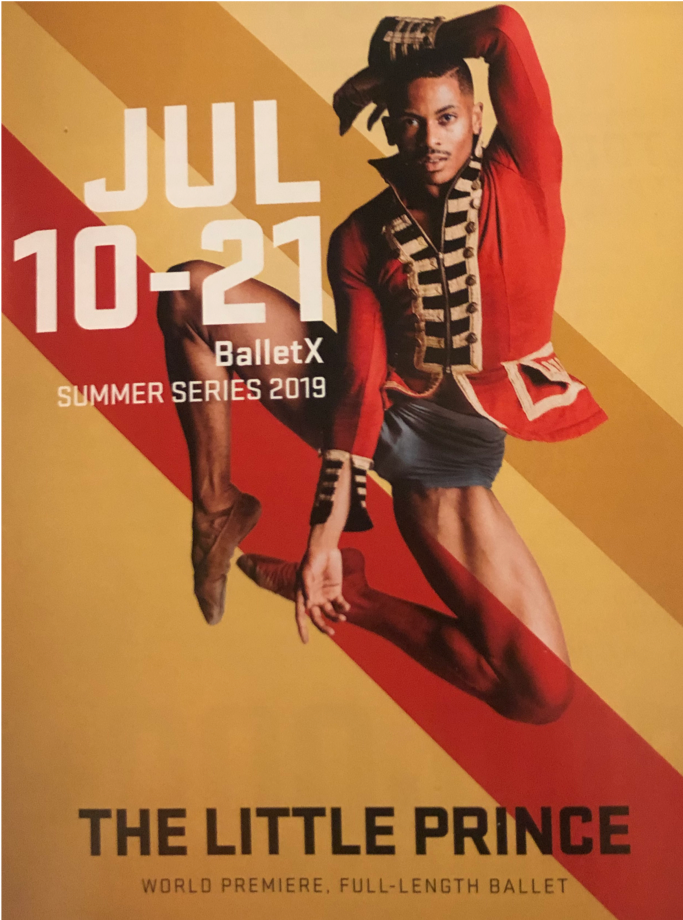
ALO: The future doesn’t exist and has no certainty, so I rather not discuss it. What I am certain about is that the premiere of The Little Prince is approaching soon [DDP note: at the time of interview], and it has been a beautiful journey to work with BalletX and dig deep into the symbolism of Antoine de Saint-Exupery’s wonderful story.
LY: What motivates you? A piece of music, a story?
ALO: The concept usually comes first, then the music.
LY: Tell us about your relationship with BalletX: Christine Cox has supported so many emerging artists.
ALO: Christine invited me in 2008 to create a work for an all-female choreographers’ evening. I think I might have been the first overseas choreographer at the time. She is fearless- she didn’t let the whole visa application process phase her.
Since then, Christine has invited me three more times. BalletX has really grown as an art institution in Philadelphia, and I have grown and matured as a choreographer. The Little Prince will be my fourth piece for the company. I think that Christine focuses on the potential of artists and hence invites them back. I am forever grateful to her.
LY: What might change the culture of ballet to allow more talented women to emerge?
ALO: Parents should allow their daughter(s) to behave in a more “masculine” way. Why do we make a difference between games boys versus girls should play? Young girls, with their leadership instinct, should be allowed to pick their teams in gym class and be captains of a soccer team. We need to stop talking to young girls about the fact that marriage and becoming a mother is the highest form of success and happiness one can achieve. Our happiness should not depend on others.
In ballet school you are taught that if you get chosen for the main character, the princess or the ingenue who is cheated on by a prince, you made it. Seriously?
We should make the other roles just as important. Who are the villagers in Giselle? What is the backstory of the corps of swans? Please, let’s give the corps de ballet more identity instead of screaming at them to stand in line on the right count. Let’s inspire these young women.
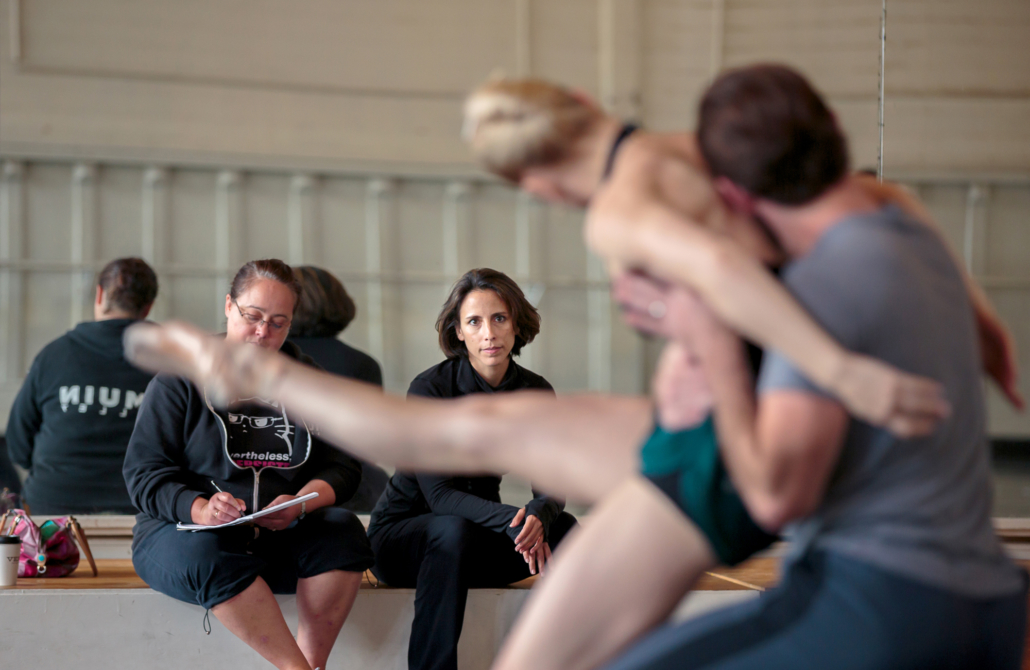
That being said, you can’t impose choreography on a woman for the sake of creating more female choreographers. Unlike choreographers, some artists simply love being the vehicle of someone’s creation- and they’re great at it. However, if there is a female choreographer with potential, please don’t ditch them after their first work just because it wasn’t as amazing as you had hoped. Masterworks come much later in one’s life and career, and that is the difference between young male and female choreographers. Male choreographers are given a second opportunity much faster than their female counterparts. Hence, they grow faster at their craft.
LY: Do you have a dream ballet or an idea you carry around with you?
ALO: If I had, I wouldn’t tell it.
LY: So, what is home right now? You are on the road so much.
ALO: I’m a Buddhist, I don’t give much importance to material things. Home is the place where happiness is. It can be anywhere. But my fiscal address is in Amsterdam.
LY: Do you have a routine for preparing a piece? Thinking it through?
ALO: I think a lot, and I’m aware I should be writing more down. That being said, when I work on a narrative ballet, I usually start with the script six months in advance, and I update it as I rehearse. When it is an abstract ballet, I hardly write anything down (except my search for a title can be found in my notebooks). I find that creativity happens mostly in the studio with the dancers, but can also happen on the street, in the shower, at an exhibition, or while observing any human behavior.
LY: How about what restores you? Spending time with family? Meditation?
ALO: I try to disconnect once a year: turning off the internet, watching and listening to the sound of the waves, and reading books.
I always meditate for a hot second right before rehearsal starts – that’s why in that moment I can never hold a conversation.
LY: Are you still dancing yourself?
ALO: I don’t dance anymore, except every now and then I’ll dance to salsa or 80’s music. Dancing is good for the soul!
LY: Any thoughts about how Dance Data Project can better serve women leaders in ballet and connect you with funders? the press?
ALO: Give women visibility. Have them be interviewed for magazines like Vogue, etc. to reach to a larger spectrum of young women. Make documentaries. Anything that receives exposure becomes a normalcy, and hopefully in 20 years we won’t be having this gender gap discussion anymore, and we will simply be talking about artists and leaders.
Find out more about The Little Prince here.
Originally from West Palm Beach, Penny graduated from the Harid Conservatory in 1995, and began her professional career with The American Repertory Ballet under the direction of Septime Webre. She went on to dance with Ballet Arizona, MOMIX Dance Theater, Cedar Lake Ensemble and in 2004 she joined Hubbard Street Dance Chicago. In 2011, Saunders won the International Commissioning Project which launched her choreographic career, creating pieces for Hubbard Streets’ main and second company, Whim W’Him, SFDancworks, Neos Dance Theater, Owen Cox Dance Group, and The Nexus Project.
Saunders is the choreographer-in residence at Grand Rapids Ballet and receives support from New York City Ballet Choreographic Commissions Initiative. She was the recipient of the 2016 Princess Grace Foundation Choreographic Fellowship. In the 2018-2019 season, she will collaborate with The Royal New Zealand Ballet, Sacramento Ballet, Ballet Idaho, Seattle Dance Collective, The Grand Rapids Ballet, and SALT Contemporary Dance in residency at The University of Utah (see her upcoming works following the interview).
PS: When I was listening to the [Kavanaugh] hearings on the radio, I was immediately thinking, “Wow, this could make an interesting piece.” There were just so many overlapping elements to it. First of all, it seemed like such a show! Everyone involved knew there would be no resolution, no new evidence was coming out even with the additional FBI investigation, and there was missing information–a key person was not coming forward.
There we were though, all of us listening to their every word, watching their every action as they talked about their darkest and most vulnerable moments. I hated myself for listening so intently…it felt like one of those awful reality shows! Then the after discussions began: “Well, I found her to be really believable…” blah, blah, blah. [I thought] there has to be a better way than this! We had already experienced the Anita Hill/ Clarence Thomas hearings years before. So similar and so heartbreaking. I suppose making a piece about these hearings was my personal way of digesting it all, and ultimately, I am asking the audience to consider the way in which we hear women. Are we really listening well enough?
LY: Any future works you are already choreographing in your head?
PS: I am constantly choreographing in my head. I wish I could get it to stop sometimes! But yes, I usually mull over ideas for future projects for a while and create little choreographic wish lists and playlists of music for each. I like to think of myself as a professional daydreamer.
LY: You said something fascinating when we were talking, that you prefer to find younger dancers who, “Haven’t decided what is beautiful yet,” so essentially, they don’t have a pre-existing notion of how they should look. Can you elaborate a bit more?
PS: Yes, what I find (in the ballet world especially) is that people hold on to their ideas of beauty and what looks good on their body because they have had to for many years. I find it hard to undo those things, those physical habits can be so ingrained, that I often find it easier to work with younger dancers who have had less time in the studio “perfecting” those ingrained physicalities so there is more room for my input.
The relationship a dancer has with the floor is key to the unfolding of their story.
-Penny Saunders to Liza Yntema
LY: We also talked about pointe work; you have choreographed for it, although I haven’t seen any of your pieces en pointe. Can you describe why and how you choose to set a work with pointe shoes or not and how that changes technique and what you look for in dancers?
PS: I wouldn’t say it is my preference, but I have become more and more comfortable creating that type of vocabulary with every new commission that calls for that element.
At first, I found it intimidating because the last ten years of my career was spent at Hubbard Street where socks are the most common footwear. With time and some experimenting though, I have found that making work en pointe can be quite fun.
For me now, it becomes another tool in my tool box. For certain characters or certain stories, pointe shoes can make the most sense, and for others it might need to be barefoot, high-heeled, or what-have-you. It is just another option I appreciate having when I am trying to create distinct characters – the relationship a dancer has with the floor is key to the unfolding of their story.
LY: You mentioned Hubbard Street Dance Chicago. You came up through this company, with Glenn Edgerton, one of the most forward thinking and inclusive Artistic Directors. How do you think that shaped you as a dancer and choreographer? Have you experienced negative reaction to women taking on leadership positions?
PS: You know, I think that I have been extremely lucky. In my dance career I jumped around a lot – different styles and companies – which gave me a sense of ownership over my own path. I loved experiencing new things and being creative, and the people I worked for loved that too. I had no idea that I would become a choreographer; it still surprises me some times, but I can’t imagine doing anything else at this point. I love it, and it drives me crazy–the perfect combo. I am so grateful that I always felt supported.
LY: I am constantly amazed at just how hard physically and mentally everyone in the dance world works. Not just the dancers, but the choreographers, Artistic Directors, Ballet Masters, etc. How does the difficulty change when you are also mom – I know you and your husband trade off – are you provided tools: child care, places to nurse a baby, or flexible hours?
PS: I think that being a mom adds to the experience in so many ways. Not only do you feel love more intensely, you feel everything more intensely!
Now that my son is a little older, I am able to relax into it a bit more, but at first it was hell! Being a freelance choreographer is a job that takes me many places, where I have to spend quite a lot of time away from home. As a mom, I just can’t do that. I wouldn’t want to. Thank goodness my husband understands so completely the roles that I juggle – he juggles them too. Organizing our calendar is a ridiculous endeavor sometimes, but we love what we do and we whole heartedly understand and appreciate what it means to parent a child. We have had to set boundaries with our time, and we have had to learn to not say yes to everything. Being home, or at least together wherever we are is our biggest goal. Our 5-year-old son has more frequent flyer miles than most adults!
LY: The Big Question – How do you keep ballet relevant, important, and consistent to diverse audiences, or do you feel that’s not really your role? What is the future of ballet given the fact that government funding is dwindling and audiences are aging?
PS: I think that the role of the arts in this world is under-appreciated. It is one of those things that we think that we can live without, therefore we treat it as this extra expense reserved for the elite.
It is our job as artists to continue reengaging the world by making work that has relevance and shares an honest voice that invites the audience to participate and reconnect. There is a special type of magic that happens when a room full of people share an experience together –– by connecting to the art that they are witnessing, they are able to connect with one another.
There is a special type of magic that happens when a room full of people share an experience together –– by connecting to the art that they are witnessing, they are able to connect with one another.
-Penny Saunders to Liza Yntema
LY: The Other Big Question – How can DDP best serve you, women like you, and the little girls I saw in pink tutus in the studio with their noses pressed up against the door as Grand Rapids rehearsed?
PS: Exposure is a big issue for me. I often make work on smaller companies, which I love, but very often there are no professional photographers/videographers or critics. This makes it difficult to share my work with the world. If more directors could see my pieces performed live, I think I would have a better chance at getting new commissions in larger companies.
Most companies I work for do not take their shows on the road either, so the one weekend of shows is all I get. If there are no good quality videos or photos to share with other directors or festivals, then my work goes relatively unseen. Emerging from this pattern is what I am working on now…
April 11th – 21st : SALT Contemporary Dance in residency at The University of Utah (premiere)
June 6th – 9th : NWA Ballet Theater (remount)
July 12th – 14th : Seattle Dance Collective (remount)
October 18th – 20th : The Grand Rapids Ballet (premiere)
October 11th – 13th : Indiana University (remount)
October 24th – 27th: The Dayton Ballet (remount)
November 1st – 3rd : Ballet Idaho (remount)
February 7th – 9th : Diablo Ballet (remount)
April 2nd – 5th : Dayton Ballet (remount)
April 16th – 19th : Pointe Park University (remount)
April 17th – 19th : Oklahoma City Ballet (premiere)
May 7th – 10th : Tulsa Ballet (premiere)
May 22nd – 24th: Whim W’Him (premiere)
July 8th – 19th : BalletX (premiere)
Saunders’ biographical information was obtained from Grand Rapids Ballet and upcoming projects were provided by Saunders.
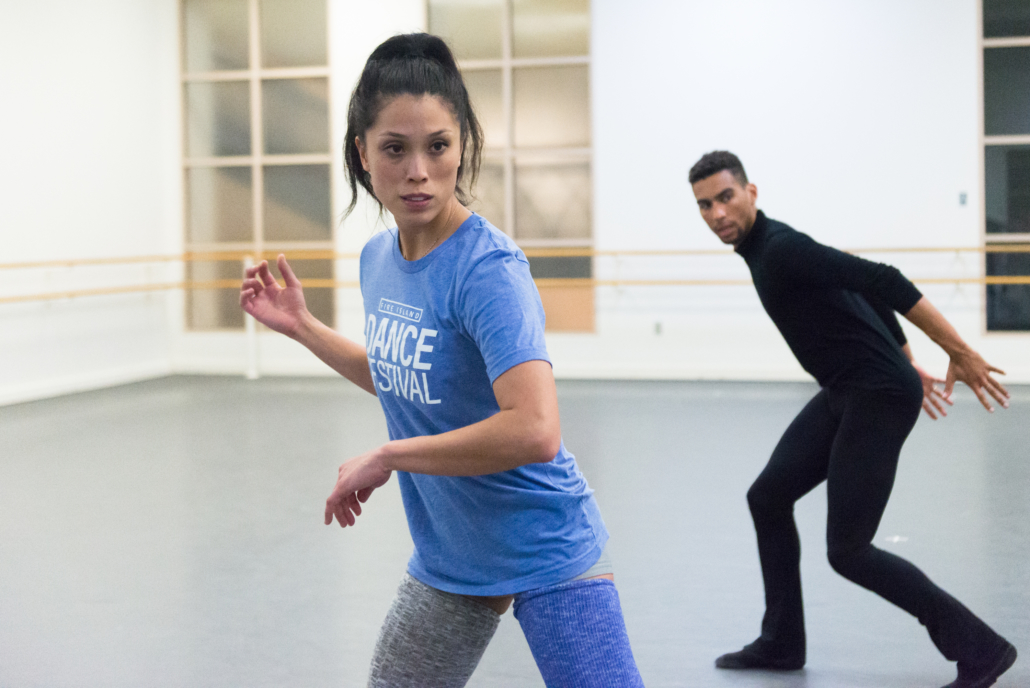
Lia Cirio is taking on a new role: choreographer. Cirio has joined Boston Ballet’s ChoreograpHER initiative, which gives female company members the opportunity to produce and present original works of choreography. Our Founder, Liza Yntema, recently signed on as Lead Sponsor of the program.
A principal dancer for the company, Ms. Cirio has danced her entire career with Boston Ballet’s, first joining the main company in 2004. As one of the inaugural participants, she has choreographed alongside dancers Hannah Bettes, Jessica Burrows, Lauren Flower, Sage Humphries, and Haley Schwan in the six-piece program.
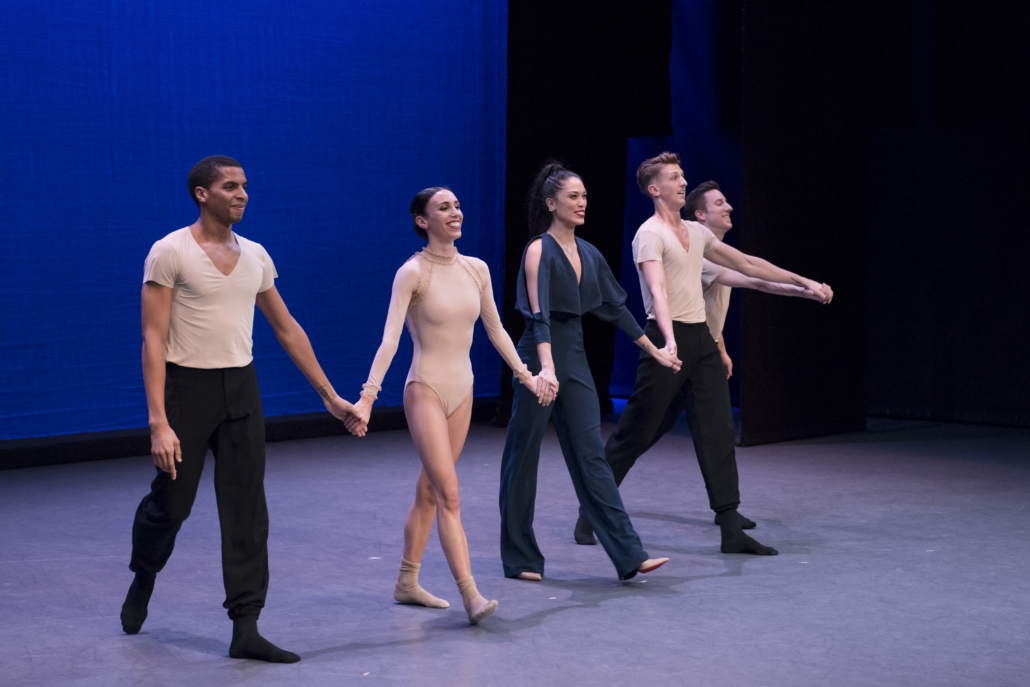
Cirio’s work for the initiative is her choreographic debut, and diverges from the classical work she is often seen performing as a dancer. The piece, entitled Sta(i)r(e)s, is set to music by a female composer, Carolina Chocolate Drops. Four dancers perform in the piece, featuring a male couple and a mixed-gender couple.
In a promo video for ChoreograpHER, Cirio says it best:
“The future is female and this is one step to show that we can stand up and be powerful.”
Watch her discuss the process of creating Sta(i)r(e)s in the video below:
The absolute first thing to know about Christine Cox is that she is incredibly kind, and the second that she has huge reserves of energy. The enthusiasm, optimism and genuine joy she brings to even the smallest detail or the briefest encounter, do much to explain the extraordinary success and outsized impact of her influential company, BalletX, which over the last 13 years has survived and prospered as the second, smaller company in Philadelphia, growing a fantastically loyal and energized audience base.

Cox has managed to create a legacy of groundbreaking work: by the end of the 2018-2019 season, BalletX will have premiered 75 new works, while also keeping the Company consistently in the black. This extraordinary combination of business acumen and artistic fearlessness, has resulted in a new $850,000 Ballet Center for World Premiere Choreography: a 5,000 square foot light filled studio, as well as for the first time this season, the ability to pay health care costs for dancers who are on a 37 week contract and her full time staff.
Founded in 2005 with Matthew Neenan, and now lead by Cox who is Artistic and Executive Director BalletX consistently pushes to the cutting edge by producing new works by choreographers who are at many stages of their development and from all over the world.. From Annabelle Lopez Ochoa to Penny Saunders, the Company under Cox’s steady hand, has provided a platform for some of the best and most innovative modern ballet choreographers, many of whom are women, including Gabrielle Lamb, Helen Pickett and many years ago her own work.
Oh, and yes, she also finds time to be a mom of 2 young boys.
Liza Yntema sat down with Christine Cox in early December:
LY: You mentioned in passing that you are dyslexic. It doesn’t seem to have slowed you down at all?
CC: I am absolutely a do-er, not a dreamer. Because school was a such a challenge for me, I learned that hard work is the only way to accomplish anything. For me moving felt like I was home and dance became a safe haven. What I gained from being a little slower in school was how to navigate in society, How to communicate with people and to to team build.”
LY: You mention that it was challenging for you to fit into the ballet world, please explain?
CC: I started developing at age 10 and was a mature teenager. I was also a strong willed young lady who’s character and personality was much different than other dancers. I looked like a women and that did not serve me well as a professional ballet dancers. Directors wanted me to not have curves and as thin as possible.
LY: You seem to be able to do it all, yet you made the decision not to choreograph any more?
CC: In 2008 I was 9 months pregnant and choreographing, while also developing a company. My gut instincts told me to stop dancing and choreographing and focus on being a new Mom and growing BalletX. The first step was formalizing a company that offered annual contracts instead of gigs.I knew we needed to establish a home theater and our residency at The Wilma Theater was and is a great partnership. I wanted to build a passionate audience that fell in love with new ballets
LY: You have assembled an incredible roster of talent over the years. How do you find choreographers?
CC: I find choreographers in all sorts of ways. Many pass along their work through emails and sometimes I get to see it live when time permits.I love work that ignites my soul and touches my heart. I love work that surprises me and gets my brain flowing. I know quickly if a choreographer has something I am curious about. I am also looking for the dancers to grow and learn from the process. New ballets are in important and help the field stay relevant.
LY: Do you see a difference in how women and men approach choreography?
CC: Well, one very basic differences is that more men seem comfortable promoting themselves. They will reach out multiple times while I do not get a lot of submissions from women. Maybe they are just not as many out there? Haha – isn’t that part of the problem?
It’s hard for me to compare men and women because everyone is different. As I women I know I like to view work that has some meaning or purpose behind its development. I get tired of movement for movement’s sake unless it has a real intention.
LY: In 2008, you hosted a panel with Helen Pickett and Annabelle Lopez Ochoa on the state of the dance industry and being a female choreographer. If I asked you for an update today, what would you say?
CC: It really doesn’t feel much different. I have to seek out female choreographers and am making an effort to support their work at BalletX. This season I am commissioning 4 world Premieres by Women out of 7.
LY: Finally, I was interested in where you see BalletX headed, back to the model of dancers in socks streaking across the stage at a dead run.
CC: I am tired of socks! I often ask choreographers to make work en pointe company because I am curious about what the shoe can do to help or hinder the dance vocabulary.
LY: And to that point, I am incredibly excited you are working with Annabelle Lopez Ochoa again, on a beautiful uplifting story?
CC: Yes, this summer Annabelle will be back working with us on a new full length ballet of The Little Prince by Saint-Exupéry.
LY: I cannot wait! So much would rather see that than another Nutcracker.
CC: And we have another super talented choreographer working with the Company now, Katarzyna Skarpetowska is BalletX’s 2019 Choreographic Fellow. [See video below.]
LY: Ok, big picture, talk to me about the future of ballet..
CC: I can have a dream for the company to grow but everything comes down to having the support. That is a challenge for all non profits. My goal is to continue to push our capabilities at BalletX, support the creation of new work with a minimum of 7 world premieres a year, making BalletX a hub/lab of dance creation. Focus on the development of artist and open our home for the community to experience dance in a whole new way. Continue and expand our Dance eXchange program for 3rd and 4th grade students in Philadelphia Public schools, while training and supporting teaching artist. Continue to tour and bring programs that inspire new audiences to fall in love with contemporary ballet staff.
Bigger picture for the future of ballet is unclear. I think we have a lot of potential to touch and inspire people if we create opportunities to support new works.

 Photo by Laurent Liotardo.
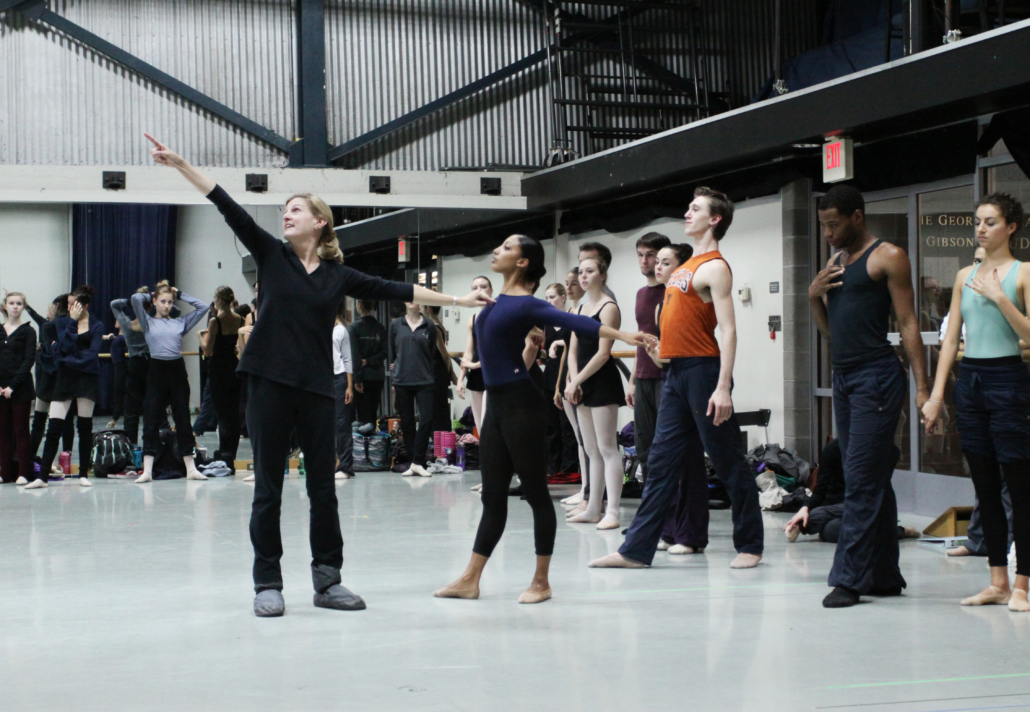
 Stina Quagebeur leading a Nora rehearsal with Crystal Costa (c) Ian Gavan.